New Tools for Insulin Delivery: What the Latest Technology Can and Cannot Do
Automated insulin pumps and continuous glucose monitors are changing how people manage Type 1 diabetes. Recent research shows these systems can improve blood sugar control, but they work best as part of a comprehensive care plan.
Evidence label explains the kind of source behind this article (for example peer-reviewed literature vs community video). It is not medical advice.
Key takeaways
- Hybrid closed-loop systems—which automate insulin delivery based on glucose readings—significantly improve time in target blood sugar range compared to traditional insulin therapy
- Different pump systems have varying levels of effectiveness; the choice depends on individual needs and clinical guidance, not one-size-fits-all performance
- For pregnant people with Type 1 diabetes, closed-loop systems help achieve better glucose control during pregnancy, which can reduce complications
- These technologies improve quality of life and patient confidence, but they require proper education and support to be used effectively
A Growing Toolkit for Type 1 Diabetes Management
Over the past decade, diabetes technology has expanded dramatically. Continuous glucose monitors (CGMs), automated insulin delivery systems, and connected devices now give people with Type 1 diabetes more options than ever before. A 2025 review in the Journal of Clinical Endocrinology & Metabolism found that these tools have significantly eased the burden of glucose measurement and insulin delivery, leading to improved overall diabetes management.
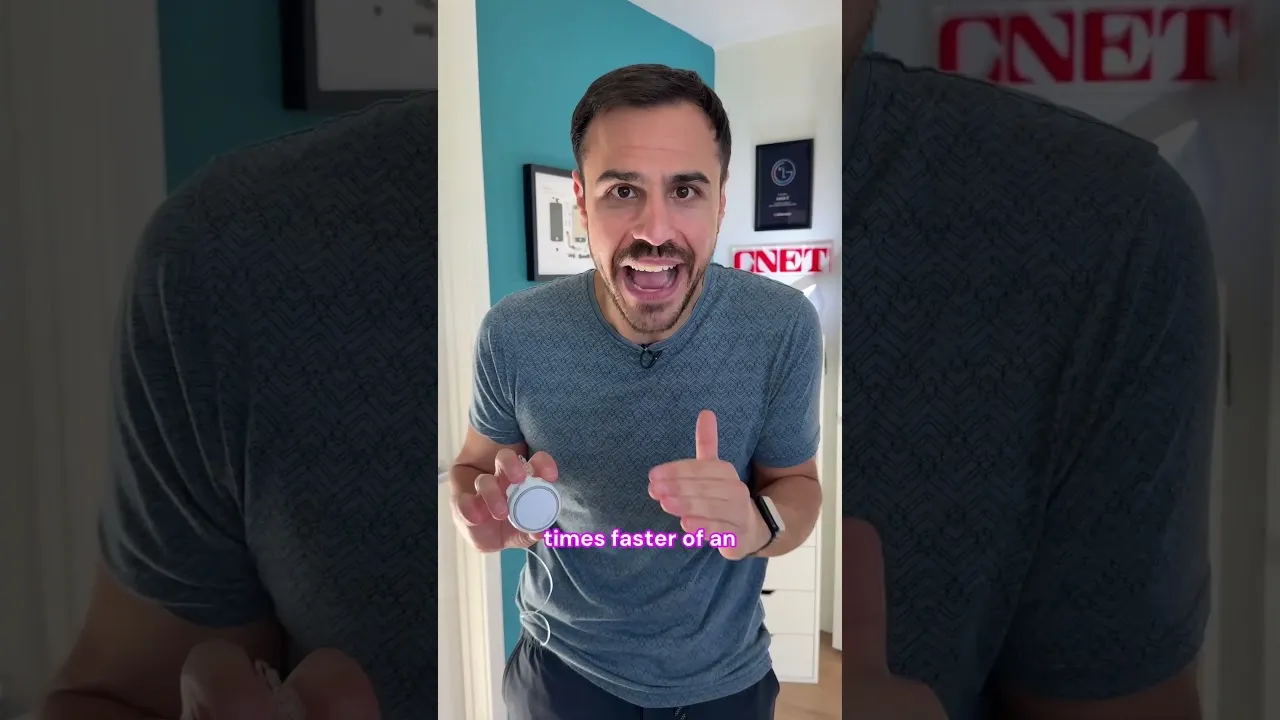
One recent addition is the Twiist insulin pump, a tubed automated insulin delivery system that works with the Libre 3 Plus CGM. It holds 300 units of insulin, is approved for people age 6 and older in the United States, and can be controlled via iPhone or Apple Watch. The pump uses the Tide Pool Loop algorithm to automate insulin dosing and includes technology that uses sound waves to verify insulin is being delivered properly.
How Automated Systems Compare: What the Evidence Shows
A 2024 systematic review and network meta-analysis published in Diabetes/Metabolism Research and Reviews examined seven different hybrid closed-loop (HCL) systems. The analysis reviewed 28 randomized controlled trials, all involving people with Type 1 diabetes.
Key findings: All HCL systems increased time in target blood sugar range compared to traditional insulin therapy without continuous glucose monitoring. Among the systems studied—including Minimed 780G, Control-IQ, Minimed 670G, CamAPS Fx, and Omnipod 5—the Minimed 780G achieved the highest time in target range. However, the differences between systems were meaningful but modest, ranging from about 5 to 10 percentage points.
Importantly, all systems similarly reduced severe hypoglycemia and diabetic ketoacidosis risk compared to traditional therapy. This means the safety profile across different HCL systems is comparable, reassuring for people considering these devices.
Pregnancy: Where Automated Systems Show Promise
For pregnant people with Type 1 diabetes, blood sugar management is especially critical. Without good control, hyperglycemia-related complications occur in about 50% of pregnancies. The CIRCUIT randomized clinical trial, published in JAMA in December 2025, tested closed-loop insulin delivery in pregnancy.
The study enrolled 91 pregnant women with Type 1 diabetes across Canada and Australia. One group used a closed-loop system; the other received standard care (insulin pump or injections with CGM monitoring). From weeks 16 to 34 of pregnancy, the closed-loop group spent 65.4% of the time in the pregnancy-specific glucose range (63–140 mg/dL), compared to 50.3% in the standard care group.
This 15-percentage-point difference is clinically meaningful. The Endocrine Society and European Society of Endocrinology's 2025 joint guideline emphasizes that reducing hyperglycemia before and during pregnancy can significantly reduce the risk of birth complications and other adverse outcomes. The CIRCUIT trial provides evidence that closed-loop systems can help achieve that goal.
Success Requires More Than Just Technology
Having a sophisticated pump or monitor is only part of the equation. Research shows that behavioral factors matter significantly. A clinical trial examining continuous glucose sensor use in adolescents found that while adding a CGM improved outcomes, adolescents benefited even more when they also received behavioral support from a therapist alongside their device education and medical management.
The broader literature on diabetes technology consistently shows that these tools promote patient self-efficacy and enhance quality of life—but only when people have proper education, clinical support, and realistic expectations. Technology should be individualized to each person's needs, goals, and lifestyle.
What This Means for People Living With Type 1 Diabetes
If you're considering an automated insulin delivery system, current evidence shows these devices can meaningfully improve blood sugar control and reduce the time you spend in dangerous blood sugar ranges. The choice of which system may depend on factors like age, lifestyle, compatibility with your existing CGM, and your healthcare team's recommendation.
These technologies work best as part of a complete care approach that includes regular clinical check-ins, good nutrition, physical activity, and mental health support. They are powerful tools, not shortcuts. Talk with your diabetes care team about whether a closed-loop system is appropriate for your situation and what training and ongoing support will be available to you.
Evidence label
Origin: YouTube / Diabetech (Video report). Evidence: Video report, corroborated with 6 indexed studies. Type1Cure is an information and intelligence hub, not a medical advice service. This article summarizes published research and does not provide diagnosis, treatment, or personal medical guidance. Always talk to your own care team before changing anything about your Type 1 diabetes management.
Type1Cure is an information and intelligence hub, not a medical advice service. This article summarizes published research and does not provide diagnosis, treatment, or personal medical guidance. Always talk to your own care team before changing anything about your Type 1 diabetes management.
Related reading
More evidence-labeled coverage across the Type1Cure library.
- Living With T1DHow Automated Insulin Delivery Systems Work and What the Research ShowsVideo report, corroborated with 5 indexed studies
- Living With T1DCorrection to "The Use of an Automated Insulin Delivery System Is Associated With a Reduction in Diabetes Distress and Improvement in Quality of Life in People With Type 1 Diabetes".PubMed indexed literature
- Living With T1DA New Class of Biologics Could Change How We Treat Type 1 DiabetesPubMed indexed literature
- Living With T1DMenopause and Type 1 Diabetes: What Women Need to KnowPubMed indexed literature
- Living With T1DHow Text Messages and Digital Tools Help Young Adults Manage Type 1 Diabetes During a Challenging Life TransitionNews report, corroborated with 1 indexed study
- Living With T1DWhat Continuous Glucose Monitors Can and Can't Do for Type 1 DiabetesVideo report, corroborated with 5 indexed studies