How Artificial Pancreas Systems Are Changing Daily Diabetes Management
Automated insulin delivery systems that combine continuous glucose monitoring and insulin pumps are helping people with Type 1 diabetes spend more time in their target glucose range. Here's what the latest research shows about how these systems work and who they can help.
Evidence label explains the kind of source behind this article (for example peer-reviewed literature vs community video). It is not medical advice.
Key takeaways
- Artificial pancreas systems automatically monitor blood glucose and deliver insulin throughout the day, removing the need for constant manual adjustments
- Recent studies show these systems significantly improve time in target glucose range compared to standard insulin therapy, with some systems performing better than others
- Safety profiles are comparable to traditional insulin therapy, with no increased risk of severe low blood sugar or diabetic ketoacidosis
- Pregnant people with Type 1 diabetes may benefit from these systems, though use during pregnancy requires close work with your healthcare team
- Newer systems in development aim to reduce the burden of meal counting and allow for more flexibility in daily life
What Is an Artificial Pancreas System?
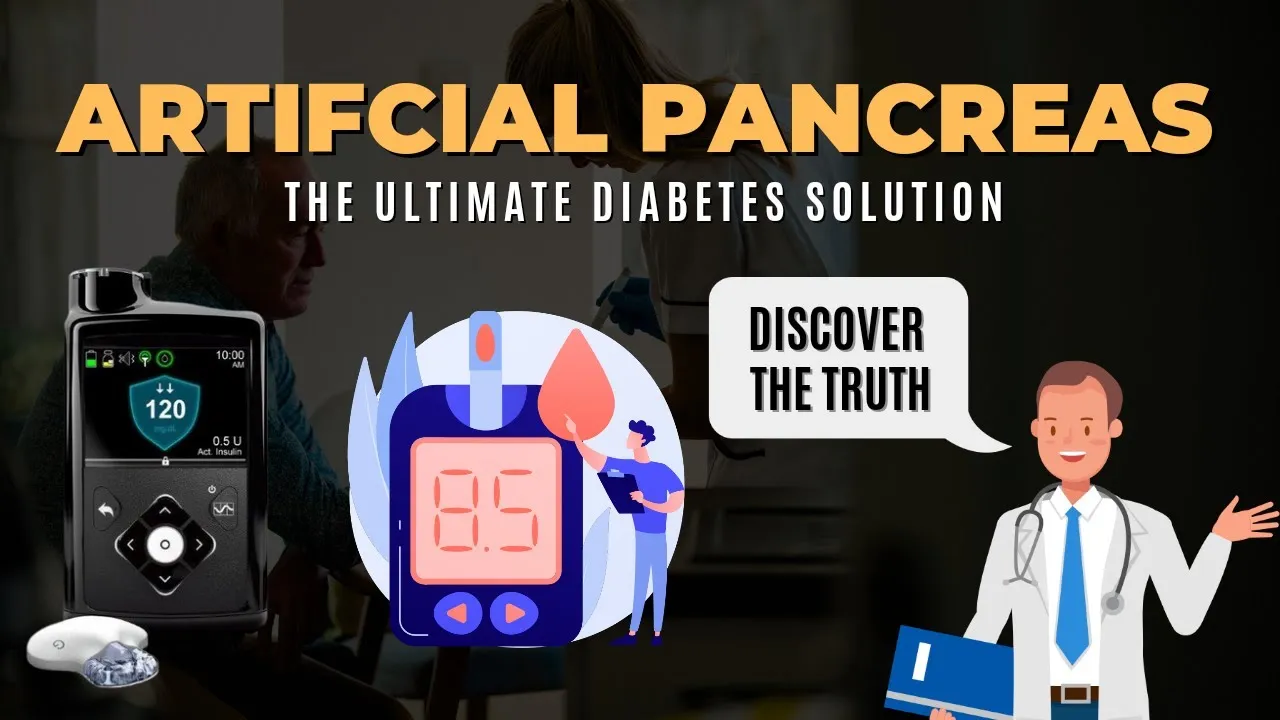
An artificial pancreas system is designed to mimic how a healthy pancreas works by automatically controlling blood glucose levels. The system has three main parts: a continuous glucose monitor that tracks your glucose levels throughout the day, an insulin pump that delivers insulin, and software that calculates how much insulin you need at any given moment.
All of this happens without you having to manually count carbohydrates or inject insulin multiple times a day. Instead, the system does the math and delivers insulin automatically based on real-time glucose readings. You will need a prescription from your doctor to use an artificial pancreas system, and it's important to work with your endocrinologist to find which system is right for your needs.
What Does Research Show About How Well These Systems Work?
Recent research comparing different artificial pancreas systems shows they significantly improve time in target glucose range compared to standard insulin therapy without continuous glucose monitoring. A 2024 analysis of 28 randomized clinical trials found that all artificial pancreas systems tested increased the amount of time people spent in their target glucose range.
Among the systems studied, the Minimed 780G achieved the highest time in target range. A larger 2025 analysis of 65 trials with over 3,600 patients found that people using artificial pancreas systems spent approximately 11.7% more time in their target range than those using other insulin-based treatments. Time spent in dangerously low blood sugar also decreased across all systems, with some showing greater reductions than others.
Are These Systems Safe?
Safety is a top concern when considering any new diabetes technology. The good news is that research shows artificial pancreas systems have safety profiles similar to traditional insulin therapy. Risk of severe low blood sugar episodes and diabetic ketoacidosis were comparable between people using these systems and those using standard insulin therapy.
This means the automatic insulin delivery did not increase the likelihood of serious complications. However, like any medical device, artificial pancreas systems require proper training and ongoing support from your healthcare team to use them effectively and safely.
What About Pregnancy and Special Situations?
Pregnancy is a time when blood sugar control becomes especially important. A 2023 clinical trial in the United Kingdom studied pregnant people with Type 1 diabetes using hybrid closed-loop therapy compared to standard insulin therapy with continuous glucose monitoring. Those using the automated system spent an average of 68% of the time in their pregnancy-specific target glucose range, compared to 56% in the standard care group.
Pregnant people using the automated system also spent less time with high blood sugar levels. While these results are promising, diabetes management during pregnancy is complex and requires close collaboration with your obstetric and endocrinology teams. Continuous glucose monitoring technology itself has also been shown to help reduce pregnancy complications in people with Type 1 diabetes.
What's Coming Next?
Diabetes technology is evolving rapidly. Researchers are developing next-generation artificial pancreas systems aimed at further simplifying daily life. One system in development called FLEX-AP is designed to work without requiring you to announce meals or exercise—the system would automatically adjust to unannounced eating and activity while allowing optional user input if you prefer.
Scientists are also studying how factors like dietary fat content and hormonal changes affect blood sugar control in people using advanced automated systems, with the goal of making insulin adjustments even more personalized. Talk with your endocrinologist about which artificial pancreas system might work best for your lifestyle and goals, and stay informed about newer options as they become available.
Evidence label
Origin: YouTube / ehealthyinfo (Video report). Evidence: Video report, corroborated with 6 indexed studies. Type1Cure is an information and intelligence hub, not a medical advice service. This article summarizes published research and does not provide diagnosis, treatment, or personal medical guidance. Always talk to your own care team before changing anything about your Type 1 diabetes management.
Type1Cure is an information and intelligence hub, not a medical advice service. This article summarizes published research and does not provide diagnosis, treatment, or personal medical guidance. Always talk to your own care team before changing anything about your Type 1 diabetes management.
Related reading
More evidence-labeled coverage across the Type1Cure library.
- Living With T1DWhat We're Learning About Diabetic Ketoacidosis in Type 1 Diabetes: A French StudyPubMed indexed literature
- Living With T1DHow Automated Insulin Delivery Systems Work and What the Research ShowsVideo report, corroborated with 5 indexed studies
- Living With T1DCorrection to "The Use of an Automated Insulin Delivery System Is Associated With a Reduction in Diabetes Distress and Improvement in Quality of Life in People With Type 1 Diabetes".PubMed indexed literature
- Living With T1DA New Class of Biologics Could Change How We Treat Type 1 DiabetesPubMed indexed literature
- Living With T1DNew Trials Test Fully Closed Loop Insulin Systems That Could Eliminate Carb CountingVideo report, corroborated with 2 indexed studies
- Living With T1DMenopause and Type 1 Diabetes: What Women Need to KnowPubMed indexed literature