From Finger Pricks to Smart Systems: How Glucose Monitoring Has Changed Pediatric Diabetes Care
New technologies like continuous glucose monitors and automated insulin delivery systems are transforming how children and teens manage Type 1 diabetes—but challenges like device fatigue and unequal access remain.
Evidence label explains the kind of source behind this article (for example peer-reviewed literature vs community video). It is not medical advice.
Key takeaways
- Continuous glucose monitoring (CGM) systems reduce the time spent in low blood sugar episodes and help reveal patterns in blood sugar swings that fingerstick testing alone cannot show.
- Hybrid closed-loop systems—which automatically adjust insulin delivery—further improve blood sugar control and reduce both high and low blood sugar episodes.
- Device alarms, overwhelming data, technical problems, and unequal access to these systems are real obstacles families face.
- Nurses and healthcare teams play a critical role in helping families use these technologies well and avoid burnout.
The Evolution of Glucose Monitoring
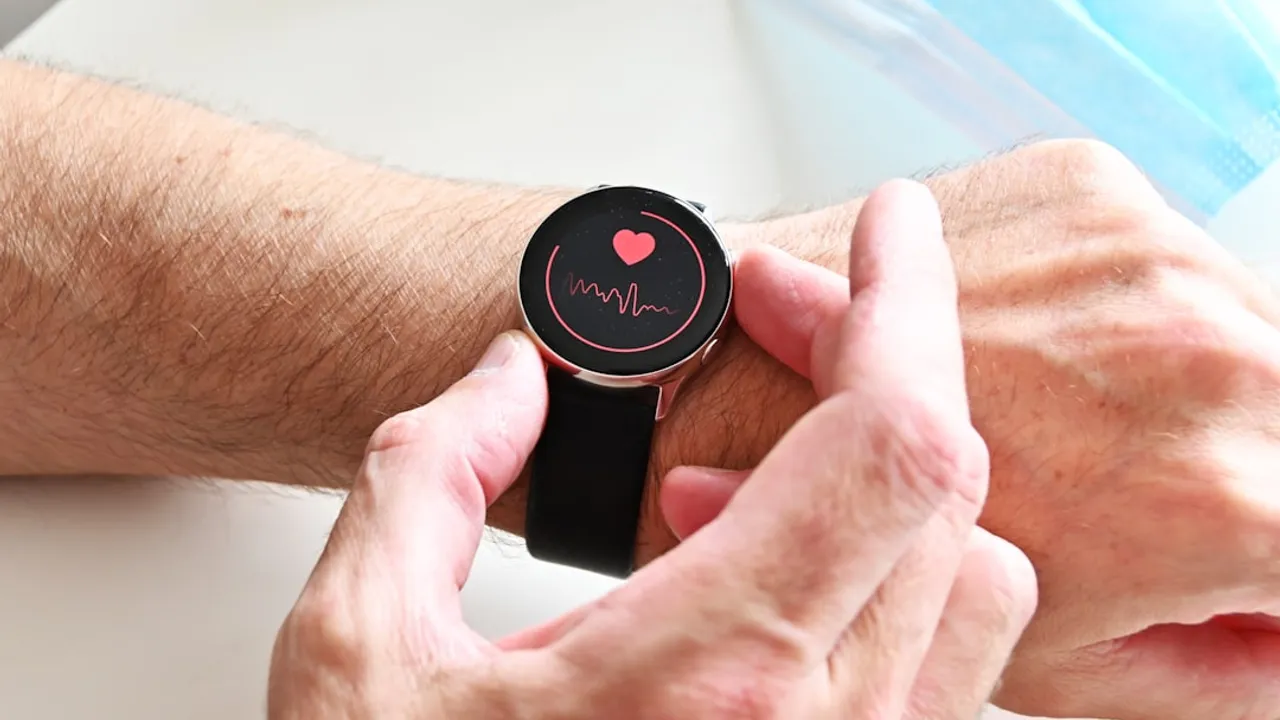
For decades, checking blood sugar meant pricking a finger multiple times a day. It was the only way to know what was happening. Today, the landscape looks completely different. Continuous glucose monitoring systems (CGMs) have changed the game by measuring blood sugar automatically throughout the day and night, giving families real-time data and alerts when blood sugar drifts too high or too low.
The next frontier builds on CGM technology: automated insulin delivery systems, also called hybrid closed-loop systems, take data from a CGM and automatically adjust insulin doses. This means less guesswork and fewer decisions families have to make on their own.
What These Technologies Actually Do
CGMs offer benefits that go beyond convenience. They reduce the amount of time children spend in hypoglycemia—dangerously low blood sugar—which is one of the most serious day-to-day risks in Type 1 diabetes. They also show patterns of high and low blood sugar swings that fingerstick testing alone can miss. Many systems now measure 'time in range,' a metric that tells families how much of the day their child's blood sugar is in a healthy target zone.
Hybrid closed-loop systems build on these advantages. By automatically delivering insulin in response to CGM readings, they further reduce both hypoglycemia and hyperglycemia (high blood sugar). This means improved overall blood sugar control with less burden on families to calculate and deliver insulin doses manually.
The Real Challenges Families Face
These technologies are powerful, but they are not problem-free. Families report alarm fatigue—constant alerts from devices can become exhausting, especially overnight. Some alarms may not feel urgent, leading to a desensitization that can reduce how seriously caregivers take important warnings.
There is also the issue of data overload. More information sounds helpful, but for some families, the flood of numbers and graphs becomes overwhelming rather than empowering. Device problems—sensors that fail early, connection issues between devices, or technical glitches—add practical frustration to diabetes management.
Perhaps most importantly, not all families have equal access to these technologies. Cost, insurance coverage, and availability vary widely, meaning that some children benefit from the latest advances while others do not have them available.
What Nurses and Care Teams Need to Know
Healthcare professionals, especially pediatric nurses, play a central role in helping families navigate these technologies successfully. The goal is not just to teach how to use a device, but to help families integrate it into their daily lives in a way that improves care without causing burnout or overwhelm.
As glucose monitoring and automated insulin delivery systems continue to evolve, the focus must remain on equitable access, practical training, and supporting families through the emotional and practical challenges that come with managing Type 1 diabetes—even with the best tools available.
Evidence label
Source: Journal of pediatric nursing. Evidence type: PubMed indexed literature. Type1Cure is an information and intelligence hub, not a medical advice service. This article summarizes published research and does not provide diagnosis, treatment, or personal medical guidance. Always talk to your own care team before changing anything about your Type 1 diabetes management.
Type1Cure is an information and intelligence hub, not a medical advice service. This article summarizes published research and does not provide diagnosis, treatment, or personal medical guidance. Always talk to your own care team before changing anything about your Type 1 diabetes management.
Related reading
More evidence-labeled coverage across the Type1Cure library.
- Living With T1DWhat We're Learning About Diabetic Ketoacidosis in Type 1 Diabetes: A French StudyPubMed indexed literature
- Living With T1DCorrection to "The Use of an Automated Insulin Delivery System Is Associated With a Reduction in Diabetes Distress and Improvement in Quality of Life in People With Type 1 Diabetes".PubMed indexed literature
- Living With T1DA New Class of Biologics Could Change How We Treat Type 1 DiabetesPubMed indexed literature
- Living With T1DMenopause and Type 1 Diabetes: What Women Need to KnowPubMed indexed literature
- Living With T1DThe Promise and Challenge of Oral Insulin: Where the Research StandsPubMed indexed literature
- Living With T1DYour Glucose Range May Not Be the Guideline Range—And That's Worth UnderstandingPubMed indexed literature