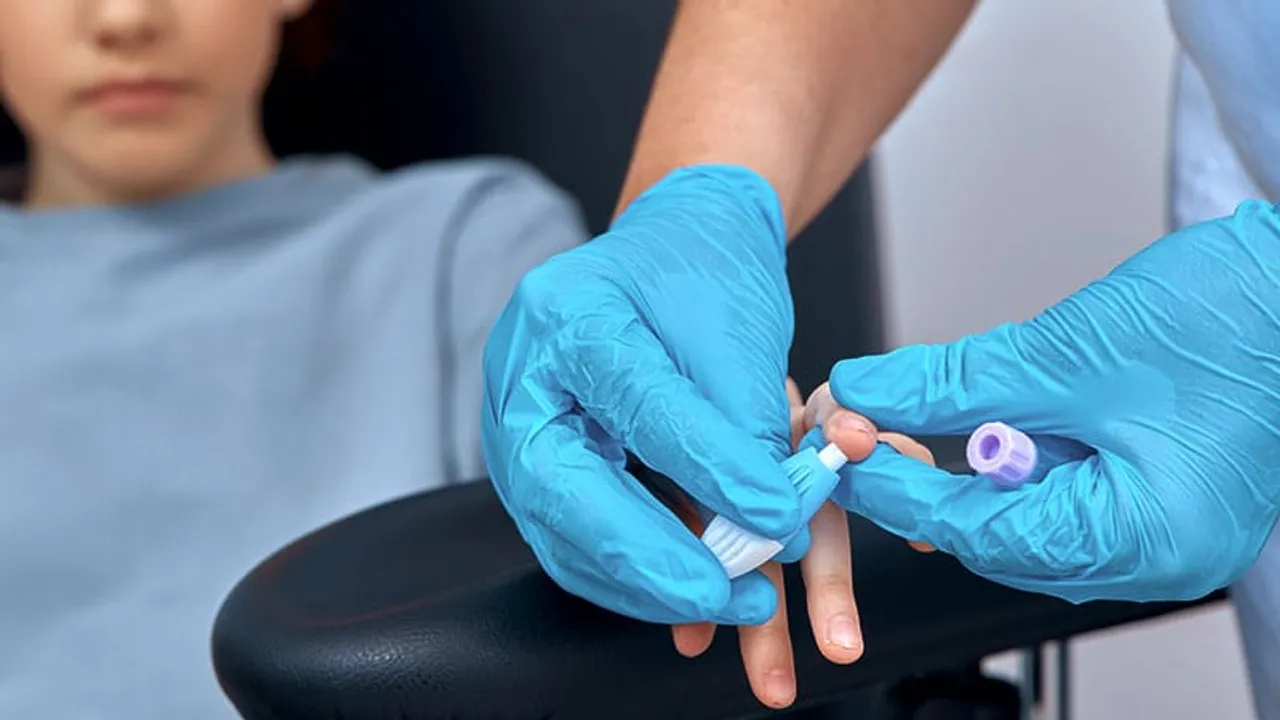
UK Study Shows Routine Screening Can Identify Type 1 Diabetes Years Before Symptoms Appear
A large childhood screening study found that simple blood tests can reliably detect children at risk of Type 1 diabetes long before they become sick. Early identification could help prevent emergency diagnoses and open doors to new treatment options.
Evidence label explains the kind of source behind this article (for example peer-reviewed literature vs community video). It is not medical advice.
Key takeaways
- Finger-prick blood tests that detect diabetes-related autoantibodies can identify children at risk of Type 1 diabetes years before symptoms appear
- Children with two or more autoantibodies have begun the early stages of Type 1 diabetes and will almost certainly need insulin therapy in the future
- Early identification through screening could allow families to prepare and give children access to treatments that may delay the need for insulin
- A UK-wide childhood screening programme could reduce the number of children diagnosed during medical emergencies
A Feasible Screening Approach
A major UK study has demonstrated that routine screening for Type 1 diabetes in children is practical and effective at identifying those at risk before symptoms develop. The ELSA study, led by the University of Birmingham and co-funded by Diabetes UK and Breakthrough T1D, tested over 17,000 children aged 3–13 years starting in 2022. Results published in The Lancet Diabetes & Endocrinology showed that finger-prick blood tests measuring diabetes-related autoantibodies reliably detect children on the path toward Type 1 diabetes—sometimes years ahead of any warning signs.
Understanding Autoantibody Risk
The presence of autoantibodies—proteins the immune system mistakenly creates—signals that the body is beginning to attack insulin-producing cells in the pancreas. The study found that risk rises with the number of autoantibodies present.
Children with no autoantibodies are very unlikely to develop Type 1 diabetes. Those with one autoantibody have a 15% chance of developing the condition within 10 years. Children with two or more autoantibodies have already entered what researchers call early Type 1 diabetes, meaning their immune systems are actively targeting pancreatic cells. These children are almost certain to eventually require insulin therapy.
Potential Benefits of Early Detection
Identifying at-risk children before symptoms emerge could reshape how Type 1 diabetes is managed. Currently, many children are diagnosed during a medical emergency when they become severely ill—what one researcher described as 'crash landing' into a diagnosis.
Early detection offers families time to prepare psychologically and practically. More importantly, it could provide access to immunotherapies designed to delay the onset of symptoms and the need for insulin. A screening programme could reduce emergency diagnoses and give children and families the chance to plan ahead rather than facing an unexpected crisis.
What's Next
Researchers say these findings could lead to a 'step change' in how Type 1 diabetes is identified and managed across the UK. The results provide evidence that a nationwide childhood screening programme is both feasible and potentially beneficial. However, such a programme would require coordination, funding, and further planning before implementation. The study opens the door to a future in which Type 1 diabetes is caught in its earliest stages, giving children and families more control over their health journey.
Evidence label
Origin: medscape.com (News report). Evidence: News report, corroborated with 4 indexed studies. Type1Cure is an information and intelligence hub, not a medical advice service. This article summarizes published research and does not provide diagnosis, treatment, or personal medical guidance. Always talk to your own care team before changing anything about your Type 1 diabetes management.
Type1Cure is an information and intelligence hub, not a medical advice service. This article summarizes published research and does not provide diagnosis, treatment, or personal medical guidance. Always talk to your own care team before changing anything about your Type 1 diabetes management.
Related reading
More evidence-labeled coverage across the Type1Cure library.
- Cure & AdvancementsCell Replacement Therapy: A New Frontier in Type 1 Diabetes ResearchVideo report, corroborated with 5 indexed studies
- Cure & AdvancementsWhy Beta Cells Die in Type 1 Diabetes While Alpha Cells SurviveNews report, corroborated with 2 indexed studies
- Cure & AdvancementsEarly Trial Shows Some People with Type 1 Diabetes Can Reduce or Stop Insulin—Here's What We KnowNews report, corroborated with 3 indexed studies
- Cure & AdvancementsBeta Cell Therapy: Moving From Lab Promise to Real-World TreatmentVideo report, corroborated with 2 indexed studies
- Cure & AdvancementsUnderstanding the Eleodon Trial: What Early Results ShowVideo report — unverified, pending corroboration
- Cure & AdvancementsIslet Cell Therapies Advance: What You Need to KnowNews report, corroborated with 3 indexed studies