Two FDA Approvals in June 2026 Expand Options for Children with Type 1 Diabetes
A new over-the-counter glucose monitor for young children and a disease-modifying therapy for newly diagnosed teens represent meaningful progress in how Type 1 diabetes can be monitored and managed.
Evidence label explains the kind of source behind this article (for example peer-reviewed literature vs community video). It is not medical advice.
Key takeaways
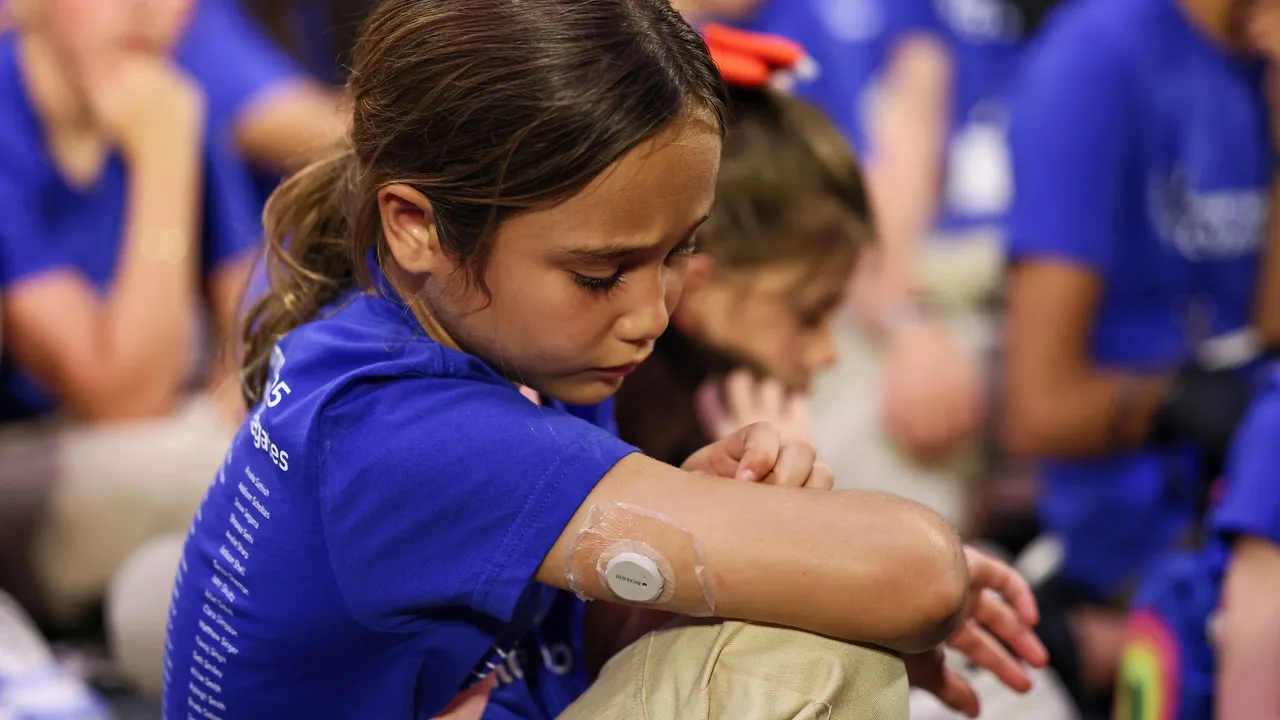
- Dexcom Stelo became the first over-the-counter continuous glucose monitor approved for children as young as 2 years old, removing the need for a prescription
- Teplizumab (Tzield) received FDA accelerated approval to slow insulin loss in children and teens aged 8 to 17 recently diagnosed with Stage 3 Type 1 diabetes
- These two approvals address different needs: one makes glucose tracking more accessible, while the other offers a disease-modifying treatment option that did not previously exist
- Type 1 diabetes remains a lifelong autoimmune disease without a cure, but these advances expand what families can do to manage it
What Changed in June 2026
On June 12, 2026, the FDA cleared two separate advances for children living with Type 1 diabetes. The Dexcom Stelo continuous glucose monitor became available over-the-counter for children as young as 2 years old—a first for the pediatric population. On the same day, teplizumab (brand name Tzield, made by Sanofi) received accelerated approval for a new use: slowing the loss of insulin production in children and adolescents aged 8 to 17 who were recently diagnosed with Stage 3 Type 1 diabetes.
Understanding the Two Approvals
These approvals work on different parts of the Type 1 diabetes picture. The Dexcom Stelo makes glucose monitoring simpler and more accessible by removing the prescription requirement—families can now purchase it directly. Teplizumab takes a different approach by targeting the disease process itself in newly diagnosed children, offering a treatment option designed to preserve remaining insulin-producing capability during the early stages of diagnosis.
Type 1 Diabetes: The Current Landscape
Type 1 diabetes is an autoimmune disease in which the body's immune system destroys the insulin-producing beta cells in the pancreas. It is not caused by lifestyle factors and currently has no cure. An estimated 1.9 million Americans live with Type 1 diabetes, with a significant portion diagnosed during childhood.
Historically, management has relied entirely on insulin replacement therapy—keeping blood glucose in range through multiple daily injections or an insulin pump, guided by continuous glucose monitoring. These two FDA approvals expand what tools and treatment options are now available to families managing the disease.
Evidence label
Origin: inkl.com (News report). Evidence: News report — unverified, pending corroboration. Type1Cure is an information and intelligence hub, not a medical advice service. This article summarizes published research and does not provide diagnosis, treatment, or personal medical guidance. Always talk to your own care team before changing anything about your Type 1 diabetes management.
Type1Cure is an information and intelligence hub, not a medical advice service. This article summarizes published research and does not provide diagnosis, treatment, or personal medical guidance. Always talk to your own care team before changing anything about your Type 1 diabetes management.
Related reading
More evidence-labeled coverage across the Type1Cure library.
- Cure & AdvancementsCell Replacement Therapy: A New Frontier in Type 1 Diabetes ResearchVideo report, corroborated with 5 indexed studies
- Cure & AdvancementsWhy Beta Cells Die in Type 1 Diabetes While Alpha Cells SurviveNews report, corroborated with 2 indexed studies
- Cure & AdvancementsEarly Trial Shows Some People with Type 1 Diabetes Can Reduce or Stop Insulin—Here's What We KnowNews report, corroborated with 3 indexed studies
- Cure & AdvancementsBeta Cell Therapy: Moving From Lab Promise to Real-World TreatmentVideo report, corroborated with 2 indexed studies
- Cure & AdvancementsUnderstanding the Eleodon Trial: What Early Results ShowVideo report — unverified, pending corroboration
- Cure & AdvancementsIslet Cell Therapies Advance: What You Need to KnowNews report, corroborated with 3 indexed studies