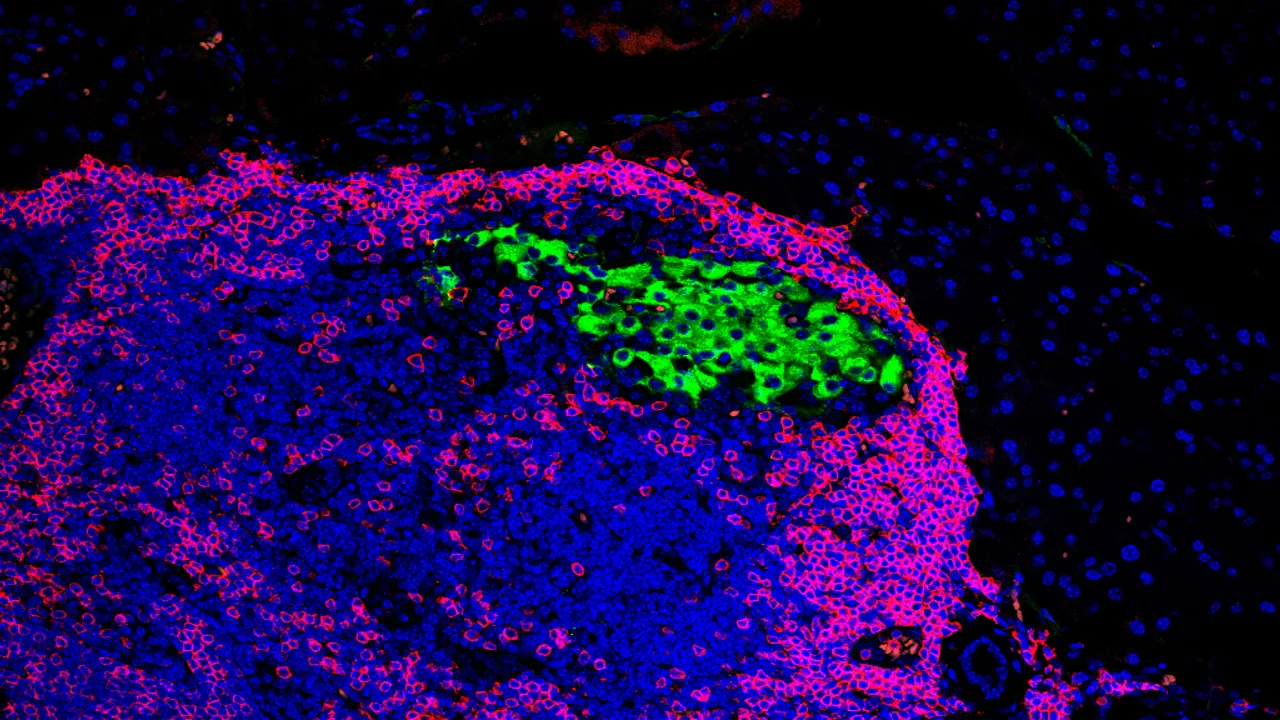
New Research Points to a Different Way to Protect Beta Cells in Type 1 Diabetes
University of Wisconsin–Madison scientists found that removing a stress-response gene in insulin-producing cells protected mice from developing Type 1 diabetes, suggesting a new approach beyond immune suppression.
Evidence label explains the kind of source behind this article (for example peer-reviewed literature vs community video). It is not medical advice.
Key takeaways
- Researchers deleted a single stress-response gene in pancreatic beta cells and found it protected genetically predisposed mice from developing Type 1 diabetes
- This work takes a different angle than most current treatments, which focus on suppressing the immune system
- The findings center on a protein called XBP1, which is part of cells' natural system for handling stress and inflammation
- This is early-stage research in mice and does not yet represent a treatment for people
A New Angle on an Old Problem
Type 1 diabetes develops when the immune system attacks and destroys the beta cells in the pancreas that make insulin. For decades, researchers and doctors have tackled this problem by trying to calm down the immune response. But scientists at the University of Wisconsin–Madison are exploring a different question: What if we made the beta cells themselves harder to target in the first place?
In research published in Nature Communications, a team led by Feyza Engin, a professor in the Department of Biomolecular Chemistry, discovered that deleting a single gene in insulin-producing cells protected mice that are genetically predisposed to Type 1 diabetes from developing the disease. The finding opens a new line of thinking about prevention and early intervention.
Understanding the Stress Response
The gene at the center of this work codes for a protein called XBP1. This protein is part of a cellular stress-response system—essentially a built-in alarm system that helps cells manage inflammation, environmental toxins, and the buildup of misfolded proteins.
When researchers removed XBP1 from beta cells in mice, those cells became more resistant to developing Type 1 diabetes. The protection appeared to work in two ways: by reducing stress inside the cells themselves and by changing how the immune system responded to them.
Why This Matters
Most current Type 1 diabetes treatments focus on broadly suppressing immune activity. This new approach is different. Instead of trying to shut down the immune system, the work explores whether strengthening or modifying the beta cells themselves could prevent them from becoming targets in the first place.
"We looked at it from another angle and asked: Why are beta cells specifically targeted?" Engin explained. This shift in perspective could point toward new paths for early intervention or prevention, particularly for people who are at high risk of developing Type 1 diabetes.
What Comes Next
This research was conducted in mice and represents an early stage of discovery. Much more work is needed before these findings could translate to potential treatments or preventive strategies for people. The researchers are now working to understand the mechanisms behind their observation and to explore whether similar approaches might be effective in human cells.
Evidence label
Origin: news.wisc.edu (News report). Evidence: News report — unverified, pending corroboration. Type1Cure is an information and intelligence hub, not a medical advice service. This article summarizes published research and does not provide diagnosis, treatment, or personal medical guidance. Always talk to your own care team before changing anything about your Type 1 diabetes management.
Type1Cure is an information and intelligence hub, not a medical advice service. This article summarizes published research and does not provide diagnosis, treatment, or personal medical guidance. Always talk to your own care team before changing anything about your Type 1 diabetes management.
Related reading
More evidence-labeled coverage across the Type1Cure library.
- Cure & AdvancementsCell Replacement Therapy: A New Frontier in Type 1 Diabetes ResearchVideo report, corroborated with 5 indexed studies
- Cure & AdvancementsWhy Beta Cells Die in Type 1 Diabetes While Alpha Cells SurviveNews report, corroborated with 2 indexed studies
- Cure & AdvancementsEarly Trial Shows Some People with Type 1 Diabetes Can Reduce or Stop Insulin—Here's What We KnowNews report, corroborated with 3 indexed studies
- Cure & AdvancementsBeta Cell Therapy: Moving From Lab Promise to Real-World TreatmentVideo report, corroborated with 2 indexed studies
- Cure & AdvancementsUnderstanding the Eleodon Trial: What Early Results ShowVideo report — unverified, pending corroboration
- Cure & AdvancementsIslet Cell Therapies Advance: What You Need to KnowNews report, corroborated with 3 indexed studies