New Engineering Approaches and Antioxidant Research Open Fresh Doors in Type 1 Diabetes
Researchers are taking unconventional approaches to understanding type 1 diabetes—from reimagining the cellular environment around immune cells to investigating how antioxidants may influence disease risk. Here's what emerging science is revealing.
Evidence label explains the kind of source behind this article (for example peer-reviewed literature vs community video). It is not medical advice.
Key takeaways
- Engineers at the University of Miami are studying how the environment surrounding immune cells might influence type 1 diabetes development, potentially opening new avenues for treatment.
- Current therapies target immune cells directly, but researchers are seeking more precise interventions that don't broadly suppress the entire immune system.
- Early genetic research suggests certain natural antioxidants like albumin and bilirubin may have protective effects against type 1 diabetes, though findings remain preliminary and require further study.
- Type 1 diabetes itself appears to affect antioxidant levels in the body, though scientists say these effects are generally weak and need clarification.
Engineering New Questions About Type 1 Diabetes
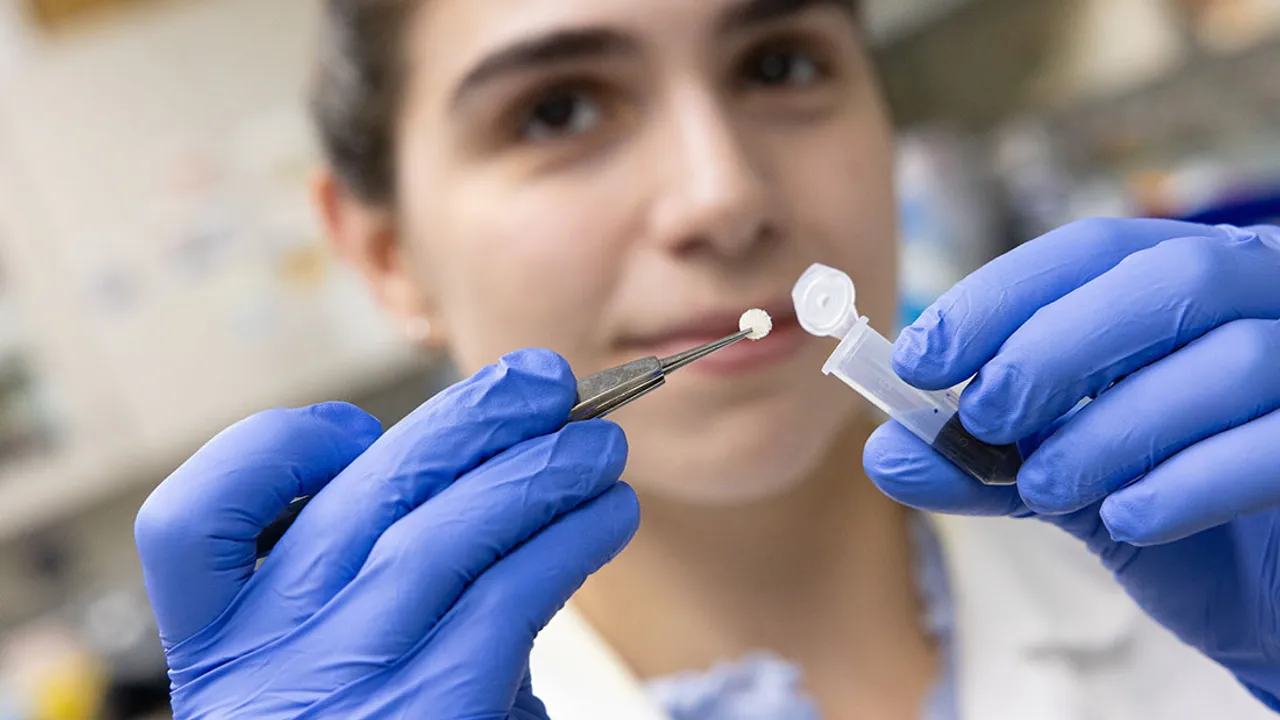
At the University of Miami Diabetes Research Institute, researchers are bringing an engineer's perspective to one of diabetes' biggest mysteries: the role of the cellular environment in type 1 diabetes. Dr. Alice Tomei and her team, including doctoral researcher Leonor Teles, Ph.D., are asking whether the space and conditions surrounding immune cells might actually contribute to disease development.
Most current and emerging therapies work by controlling immune cells that mistakenly attack insulin-producing beta cells in the pancreas. While these approaches show promise, they often require broad immune system suppression, which comes with trade-offs. The University of Miami team is investigating whether the cellular environment itself could become a therapeutic target—a way to intervene more precisely and with fewer side effects.
This research reflects a broader strategy within Dr. Tomei's lab: applying engineering principles—particularly the emphasis on problem-solving and building specialized tools—to address significant gaps in type 1 diabetes treatment.
Antioxidants and Type 1 Diabetes: What the Evidence Suggests
Oxidative stress—damage caused by harmful molecules in the body—is believed to play a role in both type 1 and type 2 diabetes. This has led researchers to investigate whether antioxidants might help prevent or manage diabetes.
A recent genetic analysis examined connections between eight natural antioxidants in the body and five from dietary sources, looking for causal links to type 1 diabetes and related complications. The findings suggest that albumin, a protein the body produces naturally, may have a protective effect against type 1 diabetes development. Bilirubin, another naturally occurring compound, showed potential protective effects specifically against diabetic ketoacidosis, a serious complication of type 1 diabetes.
It's important to note that these findings are preliminary and based on genetic association studies. They provide clues worth investigating further, but they do not yet translate to treatment recommendations. The relationship between antioxidants and diabetes is complex, and conflicting findings in the research literature underscore how much remains to be understood.
The Two-Way Street: How Type 1 Diabetes Affects Antioxidant Levels
The relationship between antioxidants and type 1 diabetes may not be one-directional. Research suggests that having type 1 diabetes itself is associated with changes in antioxidant levels throughout the body. However, scientists emphasize that these effects appear to be relatively modest overall.
Understanding how the disease influences antioxidant levels could eventually help doctors better predict complications or refine prevention strategies, but more research is needed to clarify these connections and determine whether they have practical clinical applications.
What This Means for the Type 1 Diabetes Community
These two lines of research—engineering-based approaches to the cellular environment and investigation of antioxidants—represent different strategies for understanding type 1 diabetes at a deeper level. Neither offers an immediate treatment, but both aim to answer fundamental questions that could shape future therapies.
For people living with type 1 diabetes and their families, these studies underscore the active, multifaceted nature of diabetes research. Scientists are exploring the disease from many angles—from the microscopic world of cells and immune function to the biochemical role of protective compounds. As this body of evidence grows, it brings researchers closer to more targeted, effective interventions.
Evidence label
Origin: news.med.miami.edu (News report). Evidence: News report, corroborated with 1 indexed study. Type1Cure is an information and intelligence hub, not a medical advice service. This article summarizes published research and does not provide diagnosis, treatment, or personal medical guidance. Always talk to your own care team before changing anything about your Type 1 diabetes management.
Type1Cure is an information and intelligence hub, not a medical advice service. This article summarizes published research and does not provide diagnosis, treatment, or personal medical guidance. Always talk to your own care team before changing anything about your Type 1 diabetes management.
Related reading
More evidence-labeled coverage across the Type1Cure library.
- Cure & AdvancementsCell Replacement Therapy: A New Frontier in Type 1 Diabetes ResearchVideo report, corroborated with 5 indexed studies
- Cure & AdvancementsWhy Beta Cells Die in Type 1 Diabetes While Alpha Cells SurviveNews report, corroborated with 2 indexed studies
- Cure & AdvancementsEarly Trial Shows Some People with Type 1 Diabetes Can Reduce or Stop Insulin—Here's What We KnowNews report, corroborated with 3 indexed studies
- Cure & AdvancementsBeta Cell Therapy: Moving From Lab Promise to Real-World TreatmentVideo report, corroborated with 2 indexed studies
- Cure & AdvancementsUnderstanding the Eleodon Trial: What Early Results ShowVideo report — unverified, pending corroboration
- Cure & AdvancementsIslet Cell Therapies Advance: What You Need to KnowNews report, corroborated with 3 indexed studies