How Islet Cell Therapy Works: What We Know Today
Islet cell transplants are showing promise in helping some adults with type 1 diabetes reduce or stop insulin injections. Here's what the science shows—and what challenges remain.
Evidence label explains the kind of source behind this article (for example peer-reviewed literature vs community video). It is not medical advice.
Key takeaways
- Islet cell therapy replaces insulin-producing beta cells destroyed by type 1 diabetes with new cells grown in the lab
- Some adults who received islet cell transplants have stopped taking insulin, with benefits lasting months to years
- Current therapies are only available to adults with severe type 1 diabetes who struggle with blood sugar management
- Recipients must take immunosuppressant medications for life to prevent their immune system from rejecting the new cells
- Researchers are still studying how these newer cell therapies perform over the long term
What Are Islet Cells?
Your pancreas contains specialized cells called islet cells that help regulate blood sugar. Within these islets, beta cells do the critical work of producing insulin—the hormone your body uses to manage glucose levels.
In type 1 diabetes, the immune system mistakenly attacks and destroys these beta cells. Without them, the pancreas cannot produce the insulin needed to control blood sugar, which is why people with type 1 diabetes require insulin therapy.
How Does Islet Cell Therapy Work?
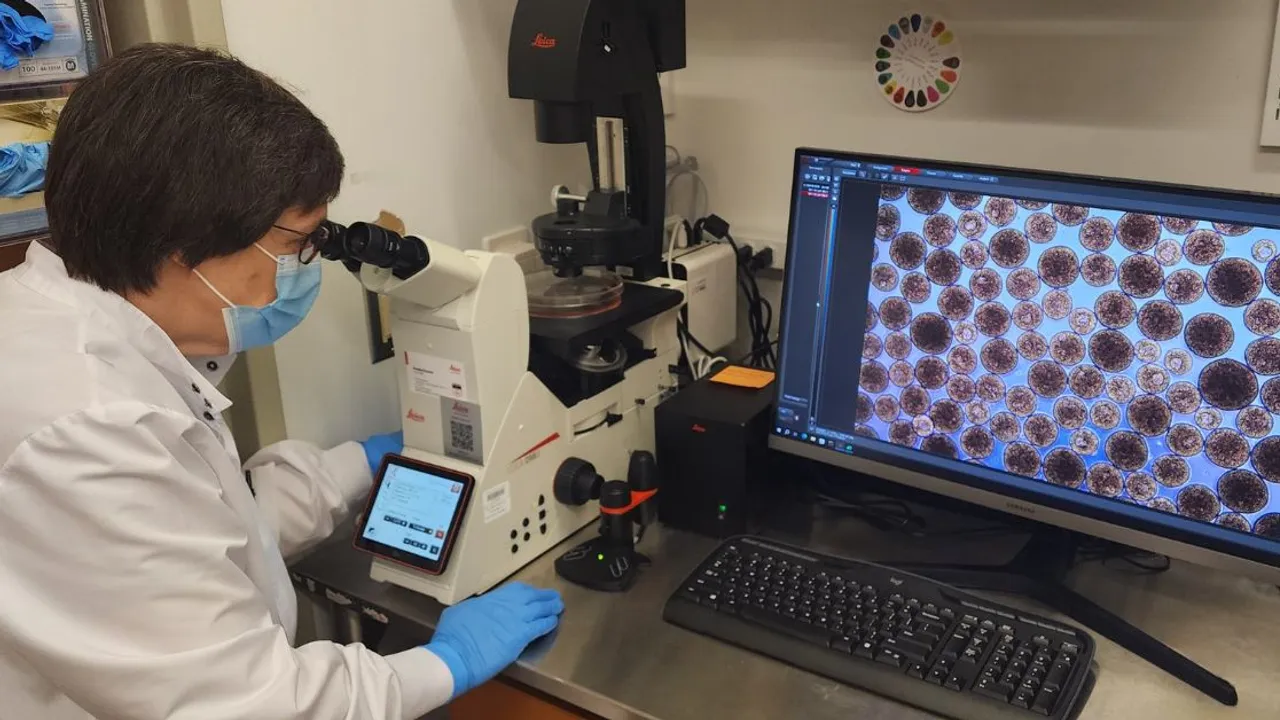
Islet cell therapy offers a different approach: replacing the beta cells your body lost. Scientists grow new insulin-producing cells in the laboratory, then transplant them into the person with type 1 diabetes. These new cells are protected so they can survive and function inside your body for extended periods.
Adults who have received islet cell transplants have achieved significant results. Some have been able to stop taking insulin injections entirely, with their transplanted cells managing blood sugar instead. These benefits have lasted anywhere from months to several years, depending on the individual and the type of therapy.
Who Can Receive This Therapy Today?
Currently, islet cell therapies are available only to a limited group: adults with severe type 1 diabetes who have difficulty managing their condition with standard insulin therapy and blood sugar monitoring.
There's an important catch: people who receive islet cell transplants must take immunosuppressant medications for the rest of their lives. These drugs prevent the immune system from attacking and rejecting the newly transplanted cells. For some people, the long-term effects of immunosuppressants may outweigh the benefits of reducing insulin—a decision that must be made carefully with their medical team.
What's Next for Islet Cell Therapy?
Researchers are still conducting clinical trials on newer, more advanced islet cell therapies. While early results are encouraging, scientists need more time to understand how these cells perform over many years.
The ultimate goal is ambitious: to manufacture islet cells on a large scale and make them available to everyone with type 1 diabetes who wants them. Before that happens, researchers must solve key challenges, including improving long-term cell survival, reducing the need for immunosuppressants, and ensuring the therapy is safe and accessible for broader populations.
Evidence label
Origin: breakthrought1d.org (News report). Evidence: News report — unverified, pending corroboration. Type1Cure is an information and intelligence hub, not a medical advice service. This article summarizes published research and does not provide diagnosis, treatment, or personal medical guidance. Always talk to your own care team before changing anything about your Type 1 diabetes management.
Type1Cure is an information and intelligence hub, not a medical advice service. This article summarizes published research and does not provide diagnosis, treatment, or personal medical guidance. Always talk to your own care team before changing anything about your Type 1 diabetes management.
Related reading
More evidence-labeled coverage across the Type1Cure library.
- Cure & AdvancementsCell Replacement Therapy: A New Frontier in Type 1 Diabetes ResearchVideo report, corroborated with 5 indexed studies
- Cure & AdvancementsWhy Beta Cells Die in Type 1 Diabetes While Alpha Cells SurviveNews report, corroborated with 2 indexed studies
- Cure & AdvancementsEarly Trial Shows Some People with Type 1 Diabetes Can Reduce or Stop Insulin—Here's What We KnowNews report, corroborated with 3 indexed studies
- Cure & AdvancementsBeta Cell Therapy: Moving From Lab Promise to Real-World TreatmentVideo report, corroborated with 2 indexed studies
- Cure & AdvancementsUnderstanding the Eleodon Trial: What Early Results ShowVideo report — unverified, pending corroboration
- Cure & AdvancementsIslet Cell Therapies Advance: What You Need to KnowNews report, corroborated with 3 indexed studies