How Insulin Works and Why Research Is Racing to Restore Beta Cells
Type 1 diabetes silently destroys the cells that make insulin. We explain how insulin replacement works today, why tight glucose control matters, and what early stem cell research is beginning to show about restoring those cells.
Evidence label explains the kind of source behind this article (for example peer-reviewed literature vs community video). It is not medical advice.
Key takeaways
- Type 1 diabetes damages insulin-producing beta cells over time, forcing the body to burn fat for energy and produce dangerous acids in the blood.
- Decades of research prove that keeping glucose levels steady reduces damage to the eyes, kidneys, nerves, heart, and brain.
- Two early stem cell studies in 2025 show promise in reducing or eliminating insulin injections, but both are experimental and not yet available as treatments.
- Replacing beta cells through stem cell therapy remains years away from clinical use, and current research still requires either immune-suppressing drugs or gene editing to prevent rejection.
The Silent Destruction: How Type 1 Diabetes Develops
Type 1 diabetes doesn't announce itself. Over months or years, the immune system quietly attacks and destroys beta cells—the specialized cells in the pancreas that produce insulin. Without insulin, glucose cannot enter the body's cells to provide energy. Instead, glucose builds up in the bloodstream, and the body shifts to burning fat as fuel. This process creates ketoacids, which can lead to diabetic ketoacidosis (DKA), a life-threatening condition.
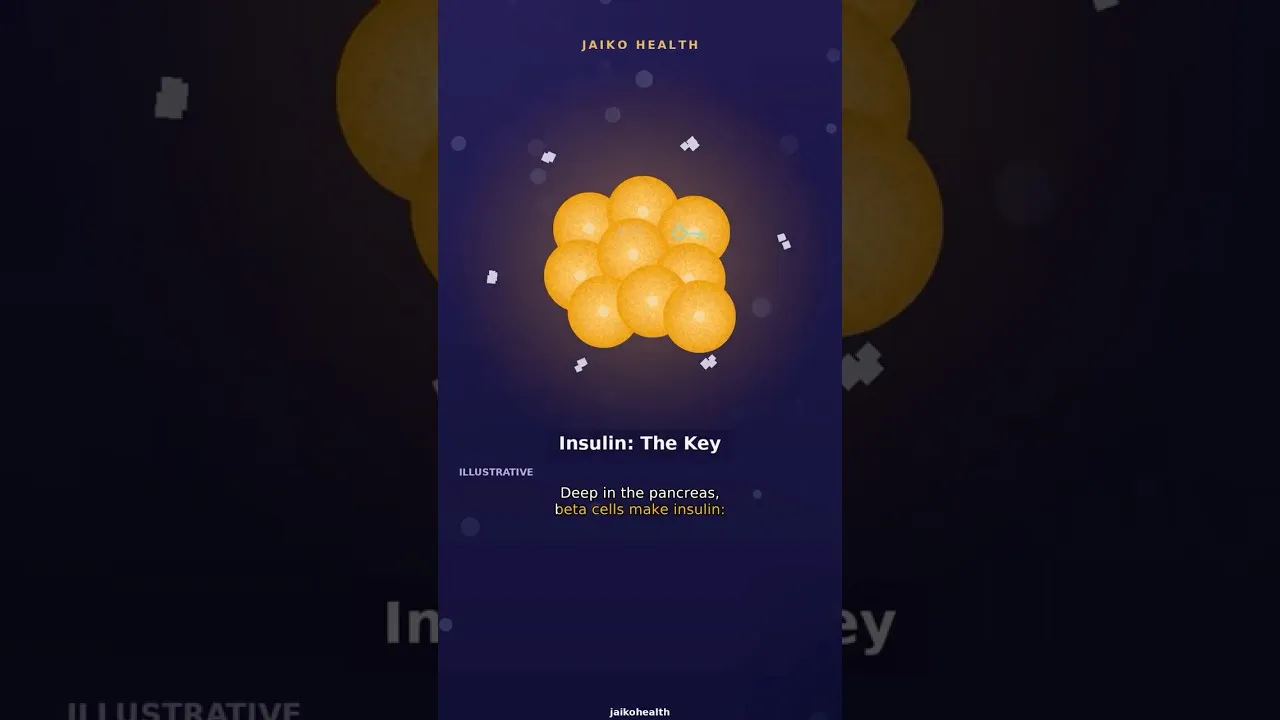
Insulin acts as the key that unlocks cells so they can absorb glucose from the blood. Without it, blood glucose levels rise dangerously high while cells starve for fuel. Insulin therapy replaces this missing key, allowing people with Type 1 diabetes to survive and thrive.
Why Tight Glucose Control Changes Everything
For decades, researchers wondered whether keeping blood glucose levels steady actually mattered. The landmark DCCT study answered that question conclusively: tight glucose control reduced eye damage by 76 percent, kidney damage by 39 to 54 percent, and nerve damage by 60 percent compared to standard care.
The benefits didn't stop there. Years later, the EDIC follow-up study found that people who had maintained tight glucose control experienced a 57 percent reduction in heart attacks, strokes, and cardiovascular death. This means that the work of daily glucose management—through injections, pumps, sensors, and closed-loop systems—directly protects not just the eyes, kidneys, and nerves, but the heart and brain too.
Replacing Cells: Where Early Research Stands
For years, researchers have pursued a different goal: replacing the beta cells themselves rather than replacing the insulin they produce. Two groundbreaking studies published in 2025 show early promise in this direction.
The first study transplanted stem cell-derived insulin-producing islets into 12 people. At one year, 10 of the 12 no longer needed insulin injections. However, this approach still required immune-suppressing drugs to prevent the body from rejecting the new cells.
A second study took a different approach, testing gene-edited donor islets designed to hide from the immune system. In this early case report, one patient received the transplant without any immune-suppressing medications. Both studies are experimental and represent the frontier of Type 1 diabetes research, not treatments available today.
Restoring beta cells through cell transplantation and gene editing remains years away from becoming a standard treatment option. These early results, while encouraging, are proof-of-concept studies in small numbers of people. Much more research is needed to understand safety, durability, and who might benefit most.
What This Means for People Living with Type 1 Today
Modern insulin therapy, combined with pumps, continuous glucose monitors, and closed-loop systems, gives people with Type 1 diabetes powerful tools to manage their condition and protect their health. The DCCT and EDIC studies proved that this work pays real dividends: steady glucose control prevents or delays serious complications.
At the same time, research into cell replacement offers hope for a different future. These early stem cell studies, though not yet available as treatments, demonstrate that scientists are making progress toward therapies that could someday reduce or eliminate the need for daily insulin injections. Until then, tight glucose control remains the most effective way to protect your health.
Evidence label
Origin: Jay Kothari MD (Video report). Evidence: Video report — unverified, pending corroboration. Type1Cure is an information and intelligence hub, not a medical advice service. This article summarizes published research and does not provide diagnosis, treatment, or personal medical guidance. Always talk to your own care team before changing anything about your Type 1 diabetes management.
Type1Cure is an information and intelligence hub, not a medical advice service. This article summarizes published research and does not provide diagnosis, treatment, or personal medical guidance. Always talk to your own care team before changing anything about your Type 1 diabetes management.
Related reading
More evidence-labeled coverage across the Type1Cure library.
- Cure & AdvancementsCell Replacement Therapy: A New Frontier in Type 1 Diabetes ResearchVideo report, corroborated with 5 indexed studies
- Cure & AdvancementsWhy Beta Cells Die in Type 1 Diabetes While Alpha Cells SurviveNews report, corroborated with 2 indexed studies
- Cure & AdvancementsEarly Trial Shows Some People with Type 1 Diabetes Can Reduce or Stop Insulin—Here's What We KnowNews report, corroborated with 3 indexed studies
- Cure & AdvancementsBeta Cell Therapy: Moving From Lab Promise to Real-World TreatmentVideo report, corroborated with 2 indexed studies
- Cure & AdvancementsUnderstanding the Eleodon Trial: What Early Results ShowVideo report — unverified, pending corroboration
- Cure & AdvancementsIslet Cell Therapies Advance: What You Need to KnowNews report, corroborated with 3 indexed studies