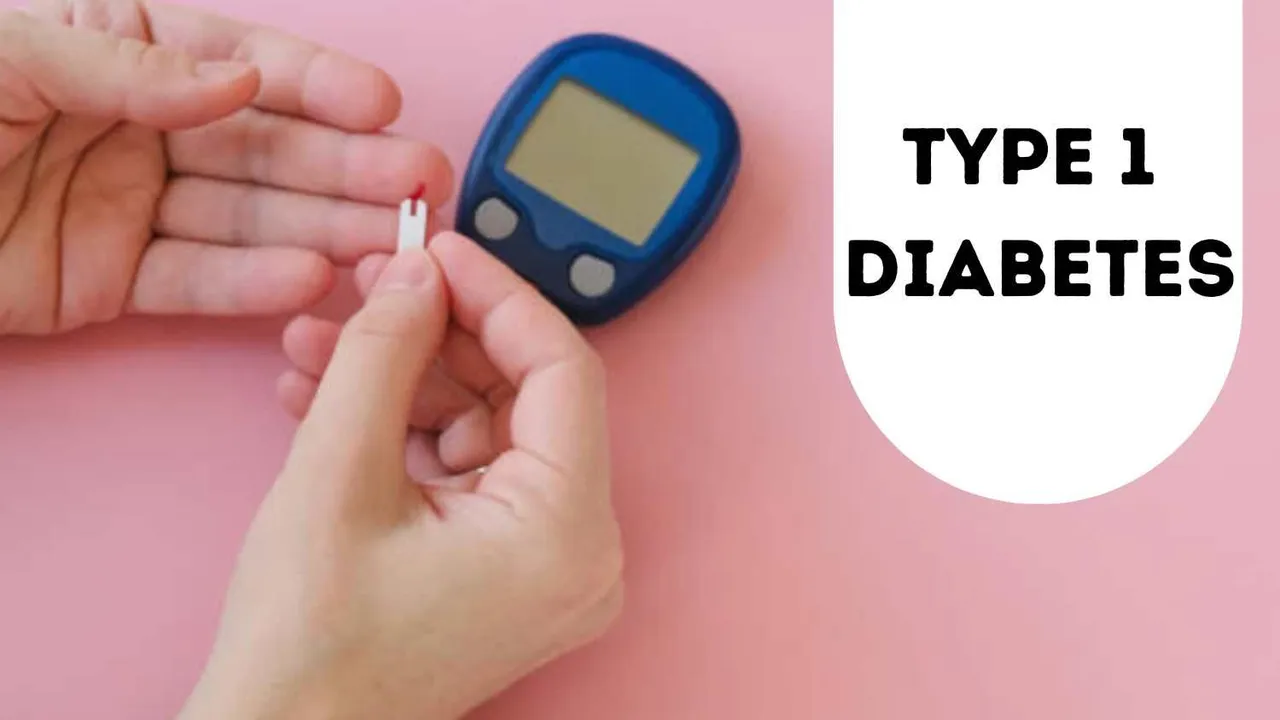
FDA Approves Teplizumab for Infants and Toddlers to Delay Type 1 Diabetes
The expanded approval allows children as young as 1 year old to receive teplizumab, an immunotherapy that can delay the progression of Type 1 diabetes. This marks the first opportunity for very young children at high risk to potentially postpone symptom onset.
Evidence label explains the kind of source behind this article (for example peer-reviewed literature vs community video). It is not medical advice.
Key takeaways
- Teplizumab can now be used in children starting at age 1 with stage 2 Type 1 diabetes to delay progression to stage 3 (symptomatic disease)
- The approval is based on safety and pharmacokinetics data from the PETITE-T1D study in young children
- Early intervention in infants and toddlers may help families avoid managing insulin therapy during their child's most challenging early years
- Teplizumab works by targeting the autoimmune attack that drives Type 1 diabetes, aiming to preserve pancreatic insulin production longer
- This approval reflects the understanding that autoimmune Type 1 diabetes often begins very early in life
A New Option for the Youngest Children
The FDA has expanded approval of teplizumab (Tzield), developed by Sanofi, to include children as young as 1 year old who have stage 2 Type 1 diabetes. This expansion allows earlier intervention in the disease process, potentially delaying the onset of symptomatic Type 1 diabetes in infants and toddlers.
Stage 2 Type 1 diabetes is characterized by the presence of autoimmune markers and some loss of insulin production, but without symptoms. Children identified at this stage face risk of rapid progression to stage 3, where symptoms appear and insulin therapy becomes necessary.
Why Early Treatment Matters for Young Children
Managing Type 1 diabetes in very young children presents unique challenges. Infants and toddlers cannot communicate their symptoms clearly, require precise insulin dosing for their small bodies, and depend entirely on caregivers for all aspects of diabetes management. Delaying the onset of symptomatic disease during these early years could significantly reduce the burden on families.
According to Kimber Simmons, MD, MS, Associate Professor of Pediatrics at the Barbara Davis Center, delaying onset "could have a truly meaningful impact for families" because very young children are often at highest risk of progressing quickly and unpredictably to symptomatic Type 1 diabetes.
How Teplizumab Works
Teplizumab is an immunotherapy designed to target the autoimmune attack that drives Type 1 diabetes. In Type 1 diabetes, the immune system mistakenly attacks insulin-producing beta cells in the pancreas. By intervening early, teplizumab aims to slow this process and preserve the pancreas's ability to produce insulin.
The approval for younger children reflects the understanding that this autoimmune process often begins very early in life. Treating children at stage 2, before symptoms emerge, represents an opportunity to intervene in the disease's natural progression.
Evidence Supporting This Approval
The FDA granted this approval through a priority review process, based on one-year safety and pharmacokinetics data from the PETITE-T1D phase 4 study. Pharmacokinetics refers to how the body absorbs, distributes, and eliminates a drug—in this case, important information about how teplizumab behaves in the bodies of very young children.
It is important to note that teplizumab delays the onset of Type 1 diabetes; it does not prevent or cure the disease. Families should discuss with their healthcare team what this treatment means for their individual child and what to expect from extended monitoring and follow-up care.
Evidence label
Origin: medicaldialogues.in (News report). Evidence: News report — unverified, pending corroboration. Type1Cure is an information and intelligence hub, not a medical advice service. This article summarizes published research and does not provide diagnosis, treatment, or personal medical guidance. Always talk to your own care team before changing anything about your Type 1 diabetes management.
Type1Cure is an information and intelligence hub, not a medical advice service. This article summarizes published research and does not provide diagnosis, treatment, or personal medical guidance. Always talk to your own care team before changing anything about your Type 1 diabetes management.
Related reading
More evidence-labeled coverage across the Type1Cure library.
- Cure & AdvancementsCell Replacement Therapy: A New Frontier in Type 1 Diabetes ResearchVideo report, corroborated with 5 indexed studies
- Cure & AdvancementsWhy Beta Cells Die in Type 1 Diabetes While Alpha Cells SurviveNews report, corroborated with 2 indexed studies
- Cure & AdvancementsEarly Trial Shows Some People with Type 1 Diabetes Can Reduce or Stop Insulin—Here's What We KnowNews report, corroborated with 3 indexed studies
- Cure & AdvancementsBeta Cell Therapy: Moving From Lab Promise to Real-World TreatmentVideo report, corroborated with 2 indexed studies
- Cure & AdvancementsUnderstanding the Eleodon Trial: What Early Results ShowVideo report — unverified, pending corroboration
- Cure & AdvancementsIslet Cell Therapies Advance: What You Need to KnowNews report, corroborated with 3 indexed studies