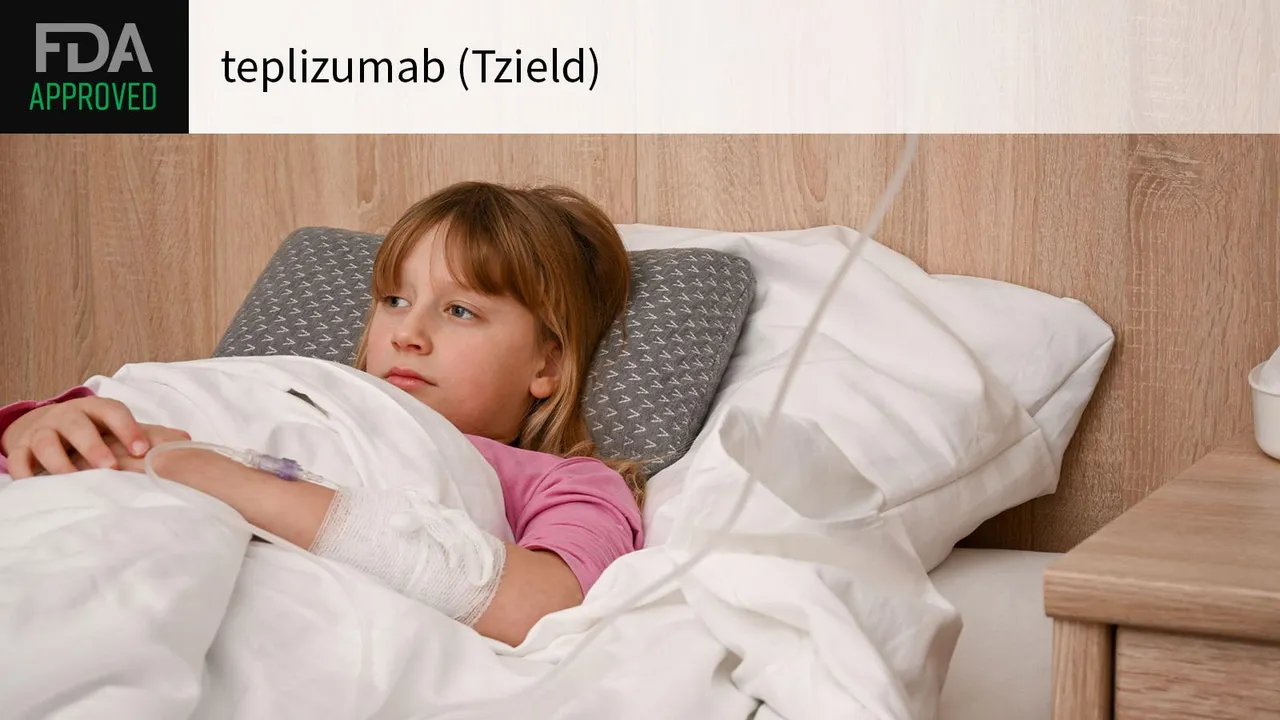
FDA Approves Teplizumab for Children Recently Diagnosed With Type 1 Diabetes
The immunosuppressive drug teplizumab can now be used in children ages 8 and older shortly after a Type 1 diabetes diagnosis. The approval is based on evidence that the treatment slows the loss of insulin-producing cells.
Evidence label explains the kind of source behind this article (for example peer-reviewed literature vs community video). It is not medical advice.
Key takeaways
- Teplizumab is now approved for children ages 8 and older who have recently been diagnosed with stage 3 Type 1 diabetes—the stage when blood sugar rises and insulin therapy begins.
- In a clinical trial, two courses of teplizumab given 6 months apart reduced the decline in beta-cell function by 59.3% compared to placebo.
- Teplizumab works by calming immune cells that attack insulin-producing beta cells and boosting cells that help regulate the immune response.
- Common side effects include vomiting, rash, elevated liver enzymes, and headache.
- This approval was granted through an accelerated pathway, meaning additional studies confirming long-term clinical benefits may be required.
What the Approval Means
The U.S. Food and Drug Administration has expanded approval of teplizumab (brand name Tzield) to treat children ages 8 and older who have recently been diagnosed with stage 3 Type 1 diabetes. Stage 3 is when the immune system's attack on insulin-producing beta cells has advanced enough that blood sugar rises, symptoms appear, and insulin therapy becomes necessary.
Before this expansion, teplizumab was approved only for people with stage 2 Type 1 diabetes—an earlier, presymptomatic stage detected through autoantibody screening before hyperglycemia develops. The new approval opens treatment to children diagnosed through standard clinical methods during early symptomatic disease.
How the Evidence Was Gathered
The approval is primarily based on the phase III PROTECT study, which enrolled 328 children ages 8 to 17 who had been diagnosed with stage 3 Type 1 diabetes within the prior 6 weeks. Participants had measurable beta-cell function at the start of the study.
Researchers randomly assigned children to receive either two 12-day courses of intravenous teplizumab or placebo, given 6 months apart, alongside their standard diabetes medications. At week 78, children who received teplizumab showed significantly slower loss of beta-cell function, as measured by C-peptide levels, compared to the placebo group—a 59.3% reduction in beta-cell decline.
How Teplizumab Works
Teplizumab is an anti-CD3 antibody, a type of drug that targets specific immune cells. In Type 1 diabetes, the immune system mistakenly attacks and destroys the beta cells in the pancreas that produce insulin.
The drug is believed to work by deactivating these harmful immune cells while also increasing the proportion of immune cells that help moderate and regulate the overall immune response. By dampening the attack on beta cells, teplizumab slows their loss and preserves the body's remaining ability to produce insulin.
Side Effects and Next Steps
In the PROTECT trial, the most commonly reported side effects were vomiting, rash, elevated liver enzymes, and headache. These effects occurred more frequently in the teplizumab group than placebo, though most were mild to moderate.
This approval was granted through the FDA's accelerated approval pathway, which allows promising treatments for serious conditions to reach patients more quickly. However, as a condition of continued approval, manufacturers may be required to conduct additional studies demonstrating sustained clinical benefit over time.
Broader Context for Early Intervention
Teplizumab is part of a growing emphasis on early intervention in Type 1 diabetes. Autoantibody screening programs can identify children in presymptomatic stages, allowing treatment before symptoms emerge. Early disease-modifying therapies like teplizumab may preserve beta-cell function and reduce complications, including diabetic ketoacidosis, a serious condition that can occur at diagnosis.
Researchers continue to study how screening programs and early treatments together might improve outcomes for children with Type 1 diabetes, particularly in underserved communities where diagnosis delays and limited access to care remain barriers to optimal care.
Evidence label
Origin: medpagetoday.com (News report). Evidence: News report, corroborated with 2 indexed studies. Type1Cure is an information and intelligence hub, not a medical advice service. This article summarizes published research and does not provide diagnosis, treatment, or personal medical guidance. Always talk to your own care team before changing anything about your Type 1 diabetes management.
Type1Cure is an information and intelligence hub, not a medical advice service. This article summarizes published research and does not provide diagnosis, treatment, or personal medical guidance. Always talk to your own care team before changing anything about your Type 1 diabetes management.
Related reading
More evidence-labeled coverage across the Type1Cure library.
- Cure & AdvancementsCell Replacement Therapy: A New Frontier in Type 1 Diabetes ResearchVideo report, corroborated with 5 indexed studies
- Cure & AdvancementsWhy Beta Cells Die in Type 1 Diabetes While Alpha Cells SurviveNews report, corroborated with 2 indexed studies
- Cure & AdvancementsEarly Trial Shows Some People with Type 1 Diabetes Can Reduce or Stop Insulin—Here's What We KnowNews report, corroborated with 3 indexed studies
- Cure & AdvancementsBeta Cell Therapy: Moving From Lab Promise to Real-World TreatmentVideo report, corroborated with 2 indexed studies
- Cure & AdvancementsUnderstanding the Eleodon Trial: What Early Results ShowVideo report — unverified, pending corroboration
- Cure & AdvancementsIslet Cell Therapies Advance: What You Need to KnowNews report, corroborated with 3 indexed studies