Encapsulated Islet Device Shows Early Promise in First Human Trial
A new approach to encapsulating insulin-producing cells has cleared an early safety hurdle in a small Canadian trial. Researchers say the results address a long-standing challenge that has limited similar therapies in the past.
Evidence label explains the kind of source behind this article (for example peer-reviewed literature vs community video). It is not medical advice.
Key takeaways
- Encellin's encapsulated cell device successfully hosted insulin-producing islets for four months in five trial participants without severe scarring—a major obstacle for previous similar approaches
- The device appears to maintain adequate oxygen and nutrient flow to keep encapsulated cells alive and functional
- This is a Phase 1 trial focused on safety; it does not yet show whether the therapy can reduce insulin dependence or improve blood sugar control
- The trial is ongoing in Toronto and Montreal with cadaver-derived donor islets
What is the Encellin device?
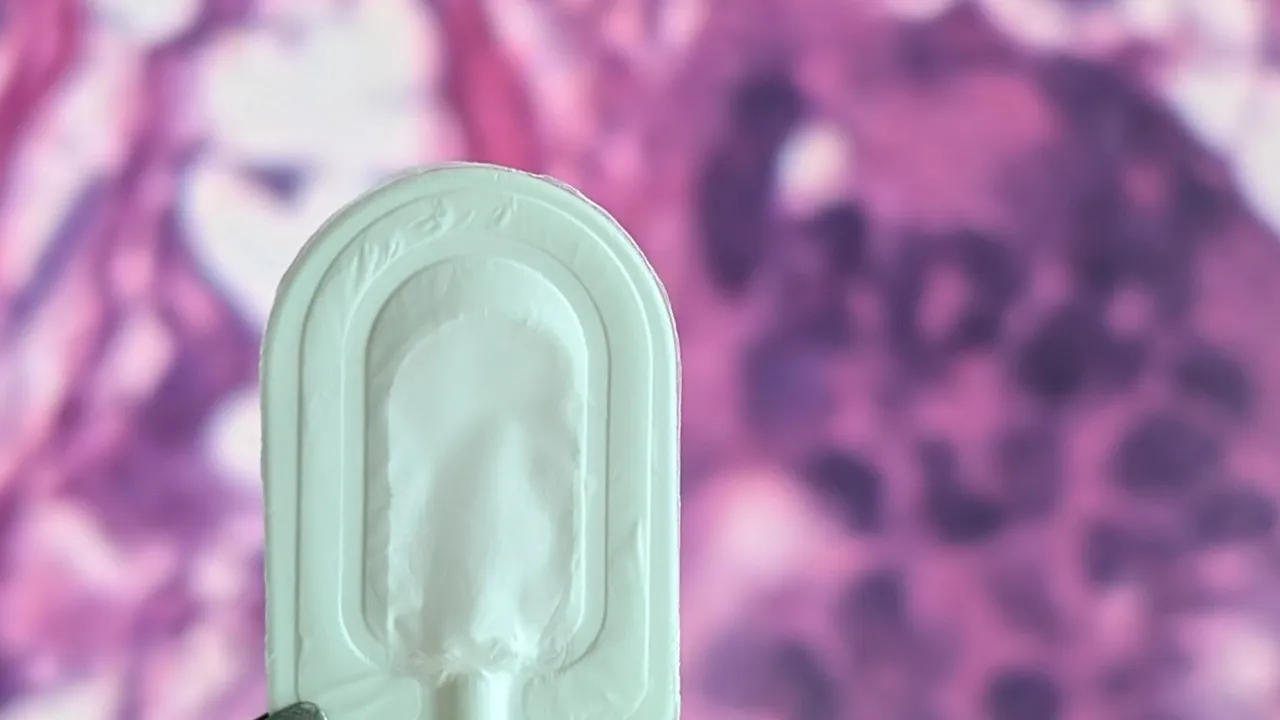
Encellin has developed an Encapsulated Cell Replacement Therapy (ENCRT) device designed to hold insulin-producing islet cells inside a protective pouch. The pouch acts somewhat like a teabag, allowing insulin and nutrients to pass through while shielding the cells from the immune system. The company is testing cadaver-derived human donor islets within these devices.
Why this matters: The fibrosis problem
For decades, researchers have tried to use encapsulation to protect transplanted islet cells from immune attack. However, the body often responds by building up scar tissue (fibrosis) around the device. This scarring starves the cells of oxygen and nutrients, prevents insulin from being released properly, and ultimately causes the cells to die.
Encellin's early results suggest its device design may avoid this fibrosis problem—a critical breakthrough if confirmed in larger trials.
What the trial found so far
In this first-in-human trial, five adults with Type 1 diabetes received implanted ENCRT devices. As planned, the devices were removed after four months for detailed analysis. Researchers found that the cells survived within the device, received sufficient oxygen and nutrients, and—most importantly—fibrosis did not develop to the degree seen with previous encapsulation technologies.
The trial is also tracking safety and any adverse events in participants. Detailed results on the full participant group and longer-term outcomes are still being gathered.
What comes next
This Phase 1 trial is designed to assess safety and how well the device protects and sustains islet cells. It is not yet designed to measure whether the therapy reduces insulin dependence or improves blood sugar control—those questions will be addressed in later-stage trials. The trial is continuing in Toronto and Montreal with additional participants.
Evidence label
Origin: breakthrought1d.ca (News report). Evidence: News report — unverified, pending corroboration. Type1Cure is an information and intelligence hub, not a medical advice service. This article summarizes published research and does not provide diagnosis, treatment, or personal medical guidance. Always talk to your own care team before changing anything about your Type 1 diabetes management.
Type1Cure is an information and intelligence hub, not a medical advice service. This article summarizes published research and does not provide diagnosis, treatment, or personal medical guidance. Always talk to your own care team before changing anything about your Type 1 diabetes management.
Related reading
More evidence-labeled coverage across the Type1Cure library.
- Cure & AdvancementsCell Replacement Therapy: A New Frontier in Type 1 Diabetes ResearchVideo report, corroborated with 5 indexed studies
- Cure & AdvancementsWhy Beta Cells Die in Type 1 Diabetes While Alpha Cells SurviveNews report, corroborated with 2 indexed studies
- Cure & AdvancementsEarly Trial Shows Some People with Type 1 Diabetes Can Reduce or Stop Insulin—Here's What We KnowNews report, corroborated with 3 indexed studies
- Cure & AdvancementsBeta Cell Therapy: Moving From Lab Promise to Real-World TreatmentVideo report, corroborated with 2 indexed studies
- Cure & AdvancementsUnderstanding the Eleodon Trial: What Early Results ShowVideo report — unverified, pending corroboration
- Cure & AdvancementsIslet Cell Therapies Advance: What You Need to KnowNews report, corroborated with 3 indexed studies