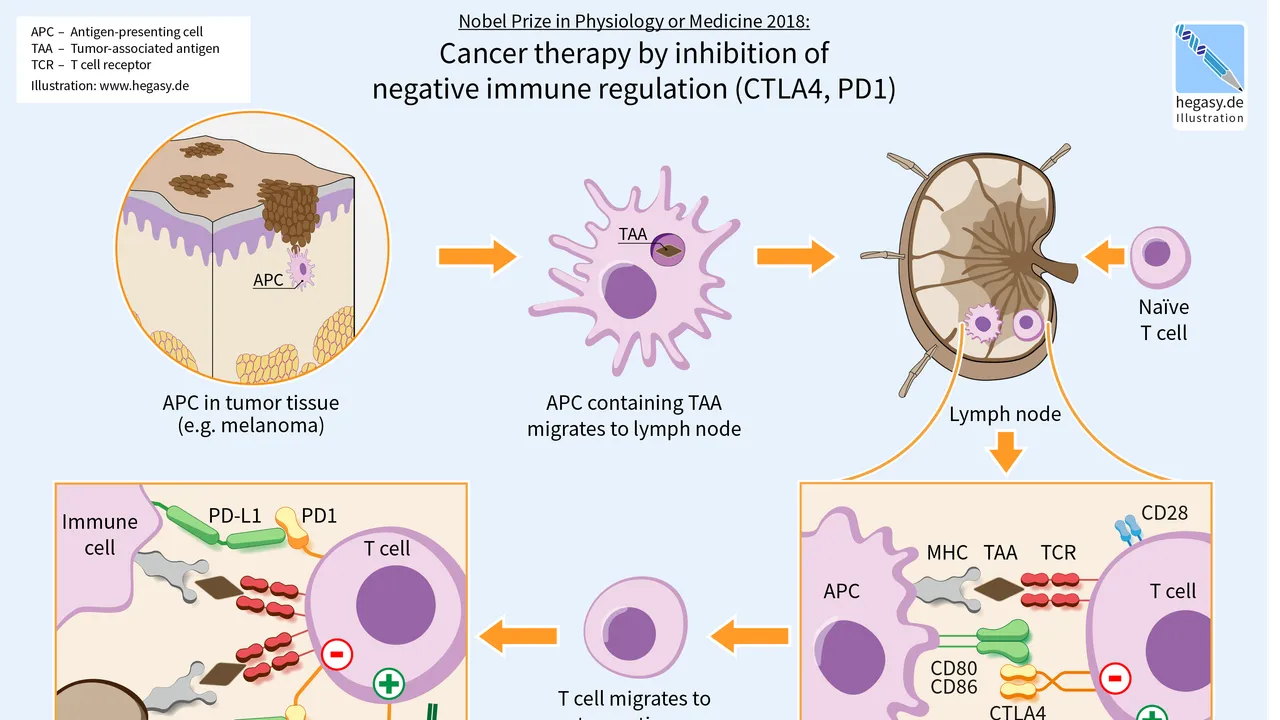
TCR-Based Antigen-Specific Therapy for Type 1 Diabetes Mellitus: From Editing Autoreactive Clones to Tolerance Induction.
Type 1 diabetes mellitus (T1DM) is an autoimmune disease caused by the destruction of insulin-producing pancreatic β-cells by autoreactive T cells.
Evidence label explains the kind of source behind this article (for example peer-reviewed literature vs community video). It is not medical advice.
Key takeaways
- Type 1 diabetes mellitus (T1DM) is an autoimmune disease caused by the destruction of insulin-producing pancreatic β-cells by autoreactive T cells.
- Current treatments, including insulin replacement therapy and various immunotherapies, often modulate but fail to permanently halt the underlying autoimmune process or restore β-cell function.
- In this review, we examine T cell receptor (TCR)-based treatment strategies for T1DM.
What the research looked at
Type 1 diabetes mellitus (T1DM) is an autoimmune disease caused by the destruction of insulin-producing pancreatic β-cells by autoreactive T cells.
Current treatments, including insulin replacement therapy and various immunotherapies, often modulate but fail to permanently halt the underlying autoimmune process or restore β-cell function.
In this review, we examine T cell receptor (TCR)-based treatment strategies for T1DM.
We focus on two main approaches: selective elimination of pathogenic autoreactive T cell clones and induction of immune tolerance using TCR-modified regulatory T cells (TCR-Tregs).
We describe key islet autoantigens, including post-translationally modified neoantigens such as fusion insulin peptides, which are crucial for identifying pathogenic TCRs.
What it reported
Next, we will review methodologies for TCR detection and TCR-Treg generation, highlighting their mechanisms of action and impact on various immune cells, including dendritic cells, B cells, and macrophages.
We will also examine the potential of CD8 + T cell regulatory cells (CD8 + Tregs).
Finally, we will discuss the future of TCR-based therapy, emphasizing the need to optimize TCR affinity, ensure Tregs' stability, and develop combination therapies.
TCR-based therapy represents a revolutionary approach to restoring immune tolerance in T1DM, providing high specificity and reducing the risk of systemic immuno-suppression compared to traditional treatments.
What it means for the Type 1 community
This is pubmed indexed literature and is shared for information, not as medical advice. One study is a data point, not a verdict, so read it alongside the broader body of evidence and your own care team's guidance.
Evidence label
Source: International journal of molecular sciences. Evidence type: PubMed indexed literature. Type1Cure is an information and intelligence hub, not a medical advice service. This article summarizes published research and does not provide diagnosis, treatment, or personal medical guidance. Always talk to your own care team before changing anything about your Type 1 diabetes management.
Type1Cure is an information and intelligence hub, not a medical advice service. This article summarizes published research and does not provide diagnosis, treatment, or personal medical guidance. Always talk to your own care team before changing anything about your Type 1 diabetes management.
Related reading
More evidence-labeled coverage across the Type1Cure library.
- Peptide TherapiesHybrid Insulin Peptides: A New Target for Type 1 Diabetes ResearchPubMed indexed literature
- Peptide TherapiesAmylin: A Hormone Therapy Moving Beyond InsulinPubMed indexed literature
- Peptide TherapiesGLP-1 Drugs in Type 1 Diabetes: Learning from Daily Injections to Weekly OptionsPubMed indexed literature
- Peptide TherapiesNew Nanoparticle Approach Shows Promise for Preventing Type 1 Diabetes in Early ResearchPubMed indexed literature
- Peptide TherapiesCould Exercise Before Islet Transplant Improve Outcomes? New Rat Study Suggests YesPubMed indexed literature
- Peptide TherapiesAmylin: A Hormone-Based Approach to Blood Sugar Control in Type 1 DiabetesPubMed indexed literature