Type 1 Diabetes Risk Affected by the Timing of Starting Infants on Solid Food
infants could have an elevated risk of developing type 1 diabetes later in life if they were transitioned to solid foods prior to turning four months of age this is according to researchers from the U
Evidence label explains the kind of source behind this article (for example peer-reviewed literature vs community video). It is not medical advice.
Key takeaways
- HLA Genotype and Probiotics Modify the Association Between Timing of Solid Food Introduction and Islet Autoimmunity in the TEDDY Study.
What surfaced
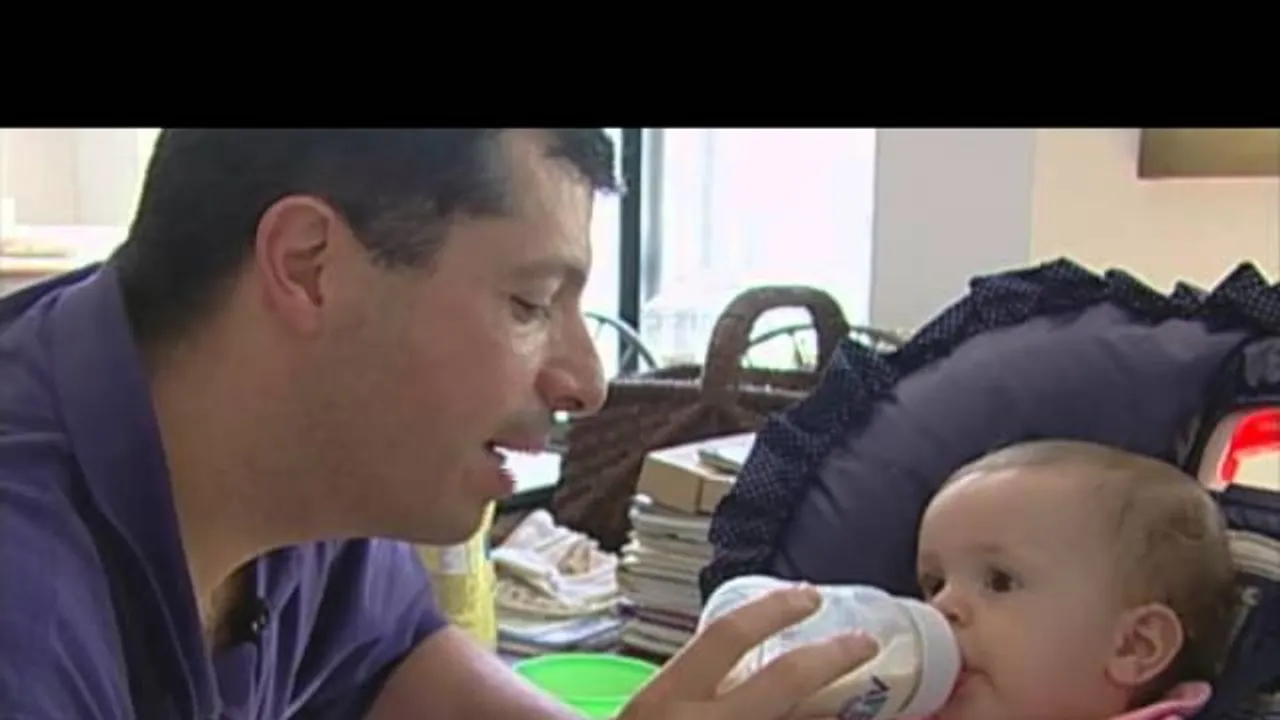
infants could have an elevated risk of developing type 1 diabetes later in life if they were transitioned to solid foods prior to turning four months of age this is according to researchers from the University of Colorado and reported in the journal Jama Pediatrics the risk also appears to be greater if solids are introduced after the baby has turned six months of age the authors claim that infants who are still being breastfed while starting on solid foods have a reduced risk of developing type 1 diabetes especially if those foods contain barley or wheat lead researcher Jill Norris claims for children who are introduced to solid food before four months of age the risk of developing type 1 diabetes is almost two times higher than for children introduced to solid foods at four or five mont…
What the research actually shows
Diabetes care: To study the interaction among HLA genotype, early probiotic exposure, and timing of complementary foods in relation to risk of islet autoimmunity (IA). The Environmental Determinants of Diabetes in the Young (TEDDY) study prospectively follows 8,676 children with increased genetic risk of type 1 diabetes. We used a Cox proportional hazards regression model adjusting for potential confounders to study early feeding and the risk of IA in a sample of 7,770 children. Any solid food introduced earl…
How to read this
We matched this signal against indexed literature so you can weigh it against the evidence, not the headline. One report is a starting point, not a verdict.
Evidence label
Origin: YouTube / EmpoweredDoctor (Video report). Evidence: Video report, corroborated with 1 indexed study. Type1Cure is an information and intelligence hub, not a medical advice service. This article summarizes published research and does not provide diagnosis, treatment, or personal medical guidance. Always talk to your own care team before changing anything about your Type 1 diabetes management.
Type1Cure is an information and intelligence hub, not a medical advice service. This article summarizes published research and does not provide diagnosis, treatment, or personal medical guidance. Always talk to your own care team before changing anything about your Type 1 diabetes management.
Related reading
More evidence-labeled coverage across the Type1Cure library.
- Eating & NutritionBreastfeeding With Type 1 Diabetes: What Research Shows About Insulin in BreastmilkPubMed indexed literature
- Eating & NutritionMeal Composition May Matter More Than Insulin Type for Blood Sugar ControlPubMed indexed literature
- Eating & NutritionManaging Type 1 Diabetes in Children: A Team Approach to CarePubMed indexed literature
- Eating & NutritionInhaled Insulin and Hypoglycemia: What the Research ShowsPubMed indexed literature
- Eating & NutritionNew Type 1 Diabetes Study Completes Enrollment as Researchers Test Potential Hypoglycemia TreatmentNews report — unverified, pending corroboration
- Eating & NutritionCan a Low-Carb Diet Help Manage Type 1 Diabetes? What the Research ShowsPubMed indexed literature