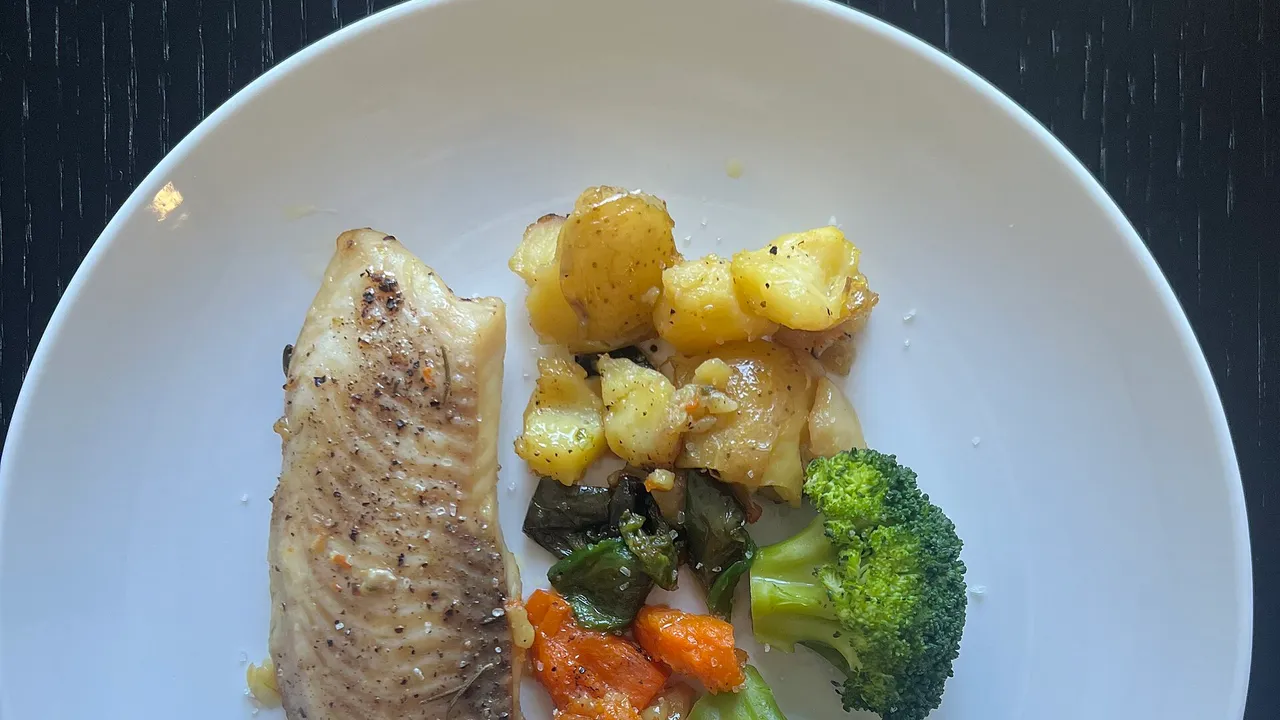
AI Tool Helps People With Type 1 Diabetes Estimate Carbs From Photos
A new technology can analyze pictures of meals to calculate carbohydrate content and suggest insulin doses—but it's designed to support, not replace, user expertise and decision-making.
Evidence label explains the kind of source behind this article (for example peer-reviewed literature vs community video). It is not medical advice.
Key takeaways
- Computer vision technology can recognize food items from a single photo and estimate portion sizes with reasonable accuracy
- The system combines food analysis with your personal insulin-to-carbohydrate ratio to generate suggested bolus amounts
- Estimated carbohydrate values require user confirmation before any insulin dosing decision is made
- This tool is meant to assist decision-making, not make decisions for you
What This Technology Does
Researchers at the AIDCARE (AI-assisted Diabetes Care) platform have developed a system that uses artificial intelligence to analyze meal photos and help with insulin dosing decisions. The technology works in two main steps: first, it identifies what foods are on your plate, then it estimates how much of each food you have.
Once the system identifies the foods and portion sizes, it calculates the total carbohydrate content. That estimate is combined with your personal clinical information—your insulin-to-carbohydrate ratio and insulin sensitivity factor—to generate a suggested bolus amount. Importantly, you must review and confirm any recommendation before acting on it.
How Accurate Is It?
The research team tested the system on a dataset of 40 different food categories. The artificial intelligence engine responsible for identifying foods achieved 94.91% accuracy in validation testing, meaning it correctly identified foods in the image about 95 times out of 100.
The portion-estimation component was also evaluated. On average, it missed the actual portion size by about 12 grams, with some variation. This level of performance is reasonable for a support tool, though no system is perfect, and visual estimation of portion size remains inherently challenging.
A Tool That Supports Your Judgment
This technology is explicitly designed as decision support, not as an autonomous insulin calculator. The system generates advisory bolus guidance, but you retain control—you must confirm or correct the recommendation before using it to dose insulin.
For people with Type 1 diabetes who count carbohydrates or use insulin-to-carbohydrate ratios, a tool that quickly and accurately estimates meal composition could reduce mental load and help you make faster, more confident dosing choices. It may be especially helpful when you're eating unfamiliar foods or dining away from home.
What Comes Next
This research describes a working prototype tested on a curated dataset of 40 food types. Real-world use would involve testing on a wider range of foods, lighting conditions, plate styles, and meal types. The system is part of a larger AI-assisted diabetes care platform, suggesting that broader clinical evaluation may be underway or planned.
If you're interested in tools like this, it's worth staying informed about developments in your diabetes technology—and remembering that any new tool is meant to complement, not replace, your knowledge of your own body and your work with your healthcare team.
Evidence label
Source: Nutrients. Evidence type: PubMed indexed literature. Type1Cure is an information and intelligence hub, not a medical advice service. This article summarizes published research and does not provide diagnosis, treatment, or personal medical guidance. Always talk to your own care team before changing anything about your Type 1 diabetes management.
Type1Cure is an information and intelligence hub, not a medical advice service. This article summarizes published research and does not provide diagnosis, treatment, or personal medical guidance. Always talk to your own care team before changing anything about your Type 1 diabetes management.
Related reading
More evidence-labeled coverage across the Type1Cure library.
- Eating & NutritionBreastfeeding With Type 1 Diabetes: What Research Shows About Insulin in BreastmilkPubMed indexed literature
- Eating & NutritionMeal Composition May Matter More Than Insulin Type for Blood Sugar ControlPubMed indexed literature
- Eating & NutritionManaging Type 1 Diabetes in Children: A Team Approach to CarePubMed indexed literature
- Eating & NutritionInhaled Insulin and Hypoglycemia: What the Research ShowsPubMed indexed literature
- Eating & NutritionCan a Low-Carb Diet Help Manage Type 1 Diabetes? What the Research ShowsPubMed indexed literature
- Eating & NutritionLow-Carb Eating Patterns May Lower Heart and Stroke Risk in Type 1 DiabetesPubMed indexed literature