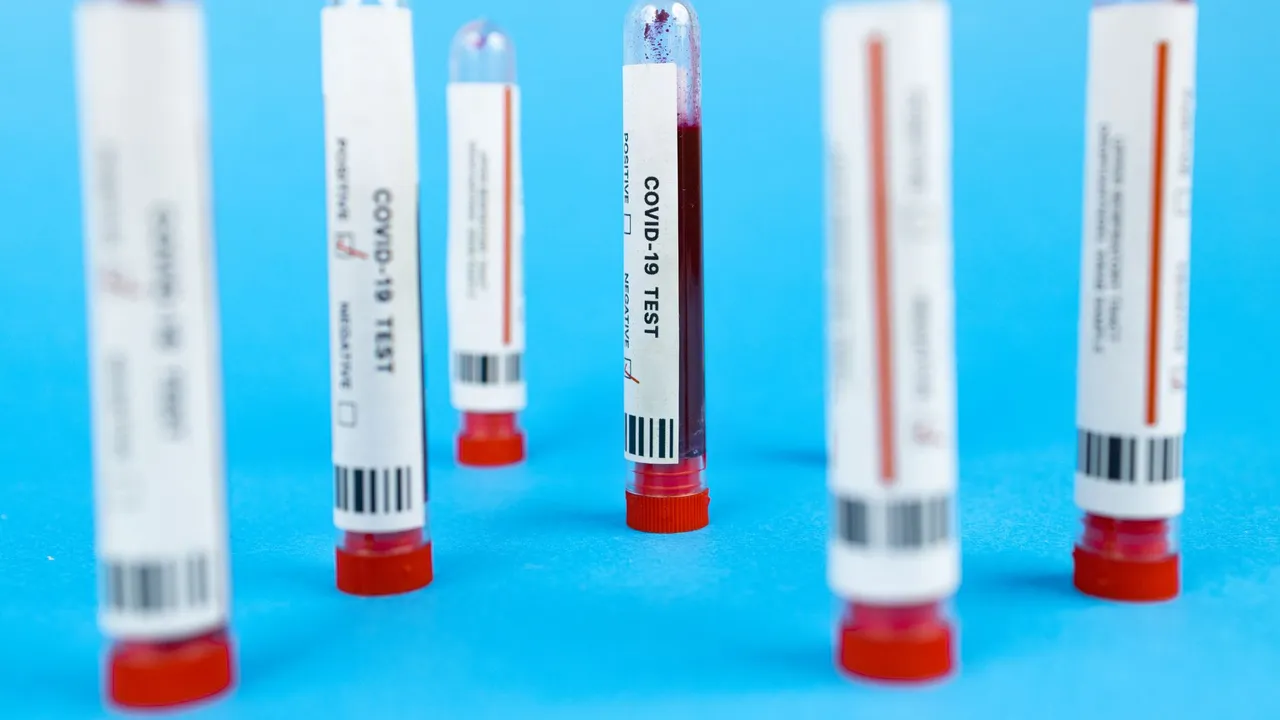
What We Know About COVID-19 and Diabetes Risk
Research shows that SARS-CoV-2 can affect the pancreas and other organs involved in blood sugar control. Understanding these connections may help us better recognize and manage diabetes in people who have had COVID-19.
Evidence label explains the kind of source behind this article (for example peer-reviewed literature vs community video). It is not medical advice.
Key takeaways
- SARS-CoV-2 can damage pancreatic beta cells—the cells that produce insulin—potentially contributing to diabetes development
- The virus affects multiple organs beyond the lungs, including the pancreas, liver, and kidneys, through receptors called ACE-2
- Both Type 1 and Type 2 diabetes have been observed in COVID-19 patients, suggesting different disease pathways
- Ongoing research is needed to understand long-term metabolic effects and develop targeted treatments
How COVID-19 Affects Blood Sugar Control
The virus that causes COVID-19, SARS-CoV-2, does more than damage the lungs. Medical evidence shows it can harm organs throughout the body, including those that regulate blood sugar. The virus enters cells through receptors called ACE-2, which are found in high amounts on pancreatic cells, liver cells, and kidney cells. This widespread presence explains why COVID-19 can affect multiple body systems at once.
One of the most significant metabolic effects is damage to the pancreas. Research indicates that SARS-CoV-2 can directly injure pancreatic beta cells—the specialized cells that produce and release insulin. When these cells are damaged, the body's ability to control blood sugar declines.
Type 1 and Type 2 Diabetes After COVID-19
Clinical studies have documented both Type 1 and Type 2 diabetes appearing in COVID-19 patients. This suggests the virus may trigger diabetes through different mechanisms. In Type 1 diabetes, the immune system may be activated to attack pancreatic beta cells. In Type 2 diabetes, the virus may cause insulin resistance—a condition where the body's cells don't respond properly to insulin—or interfere with how the liver and pancreas regulate glucose production.
The appearance of diabetes in COVID-19 patients emphasizes the need for careful monitoring. If you or a loved one has had COVID-19, discussing any changes in thirst, urination, or energy levels with a healthcare provider is important.
Beyond the Pancreas: Other Organs at Risk
The pancreas is not alone. SARS-CoV-2 can also damage the kidneys and liver, both of which play crucial roles in blood sugar management and overall metabolism. Acute kidney injury has been observed in COVID-19 patients, and liver function abnormalities are common. These complications may worsen metabolic problems or mask early signs of diabetes.
Because multiple organ systems can be affected, people recovering from severe COVID-19 may benefit from broader health monitoring, including metabolic screenings.
What's Next in Research
Understanding exactly how SARS-CoV-2 triggers diabetes is an active area of research. Scientists are investigating the specific pathways the virus uses to damage beta cells, cause insulin resistance, and disrupt how the body makes and uses glucose. This knowledge could lead to new ways to prevent or treat post-COVID metabolic complications.
Researchers are also examining whether the virus's effects are temporary or long-lasting, and whether some people are at higher risk than others. As our understanding grows, so does the potential for better monitoring and intervention strategies for people who develop diabetes after COVID-19.
Evidence label
Source: The Yale journal of biology and medicine. Evidence type: PubMed indexed literature. Type1Cure is an information and intelligence hub, not a medical advice service. This article summarizes published research and does not provide diagnosis, treatment, or personal medical guidance. Always talk to your own care team before changing anything about your Type 1 diabetes management.
Type1Cure is an information and intelligence hub, not a medical advice service. This article summarizes published research and does not provide diagnosis, treatment, or personal medical guidance. Always talk to your own care team before changing anything about your Type 1 diabetes management.
Related reading
More evidence-labeled coverage across the Type1Cure library.
- Causes & What We KnowUnderstanding Type 1 Diabetes: A Shift Toward Early InterventionPubMed indexed literature
- Causes & What We KnowHow Nutrition, Metabolism, and Immunity Connect: What the Lectin Pathway Tells UsPubMed indexed literature
- Causes & What We KnowA Rare Skin Condition in Young Children with Type 1 Diabetes: What Parents Should KnowPubMed indexed literature
- Causes & What We KnowClinical modifiers of the association between type 1 diabetes and dementia incidence.PubMed indexed literature
- Causes & What We KnowNew Study Finds Genetic Links Between Type 1 Diabetes and Acute PancreatitisPubMed indexed literature
- Causes & What We KnowWhat Type 1 Diabetes and Alzheimer's Disease Have in CommonPubMed indexed literature