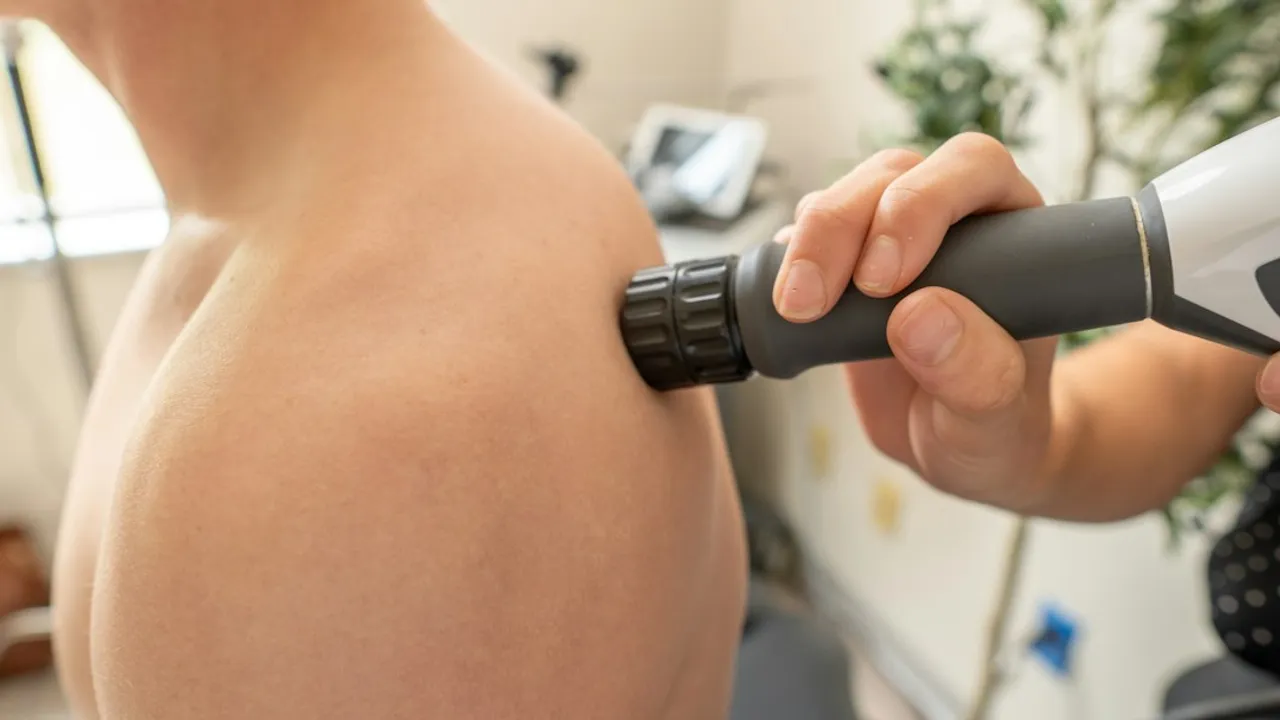
Weight and Shoulder Calcific Tendinitis: What New Genetic Research Shows
A large genetic study finds that higher body mass index may increase the risk of calcific tendinitis of the shoulder, a painful condition that affects many people. Surprisingly, diabetes and thyroid disorders showed no clear causal link to the condition.
Evidence label explains the kind of source behind this article (for example peer-reviewed literature vs community video). It is not medical advice.
Key takeaways
- Genetic evidence suggests higher BMI is causally linked to calcific tendinitis of the shoulder, a condition that causes shoulder pain and stiffness.
- The association held true for both overall BMI and female-specific BMI measurements, and remained consistent across multiple statistical tests.
- Type 1 diabetes, type 2 diabetes, blood sugar traits, and thyroid disorders were not found to be major causes of this shoulder condition.
- This is observational research about associations; it does not prove that weight loss will prevent or treat calcific tendinitis.
What Is Calcific Tendinitis of the Shoulder?
Calcific tendinitis of the shoulder is a common condition in which calcium deposits build up in the tendons of the shoulder, causing pain, stiffness, and reduced mobility. While doctors know it occurs frequently, the reasons why some people develop it and others do not have remained unclear. Understanding the underlying causes could help identify people at higher risk and inform prevention strategies.
How Researchers Used Genetics to Study the Link
Scientists used a technique called Mendelian randomization to investigate whether body weight, diabetes, blood sugar levels, and thyroid function might play a causal role in calcific tendinitis. This method analyzes genetic information from large populations to determine whether traits are genuinely linked by cause-and-effect, rather than just appearing together by chance.
The study combined genetic data from hundreds of thousands of people of European ancestry, looking at information about BMI, various diabetes traits, thyroid disorders, and calcific tendinitis cases from a Finnish database.
The Findings: BMI Shows a Clear Connection
The research found a meaningful causal link between higher BMI and increased risk of calcific tendinitis. For every standard deviation increase in overall BMI, the risk of developing the shoulder condition rose by 58 percent. For women specifically, moving to a higher BMI category increased risk by 92 percent.
These associations remained strong even when researchers applied multiple statistical checks to test whether the findings were robust and reliable.
What About Diabetes and Thyroid Conditions?
Interestingly, the study found no convincing evidence that type 1 diabetes, type 2 diabetes, blood sugar levels, or thyroid disorders directly cause calcific tendinitis of the shoulder. This was surprising because these endocrine conditions are known to affect connective tissue in other ways, but they did not emerge as major causal factors in this analysis.
What This Means and What It Doesn't
This study provides genetic evidence suggesting that BMI may play a causal role in calcific tendinitis—a finding that adds to our understanding of what drives this painful shoulder condition. However, genetic association is not the same as proving causation in any individual case, and it does not establish whether weight loss would prevent or treat the condition.
People living with type 1 diabetes should not interpret this finding as reassurance that their condition is unrelated to shoulder pain. Genetics tell us about population-level patterns, not individual risk. Anyone experiencing shoulder pain should consult their healthcare provider for evaluation and guidance.
Evidence label
Source: International journal of women's health. Evidence type: PubMed indexed literature. Type1Cure is an information and intelligence hub, not a medical advice service. This article summarizes published research and does not provide diagnosis, treatment, or personal medical guidance. Always talk to your own care team before changing anything about your Type 1 diabetes management.
Type1Cure is an information and intelligence hub, not a medical advice service. This article summarizes published research and does not provide diagnosis, treatment, or personal medical guidance. Always talk to your own care team before changing anything about your Type 1 diabetes management.
Related reading
More evidence-labeled coverage across the Type1Cure library.
- Causes & What We KnowPregnant Women with Diabetes Show Higher Rates of Toxoplasma InfectionPubMed indexed literature
- Causes & What We KnowExploring Rare Breast Inflammation: What BRCA Mutations and Type 1 Diabetes May SharePubMed indexed literature
- Causes & What We KnowUnderstanding Type 1 Diabetes: A Shift Toward Early InterventionPubMed indexed literature
- Causes & What We KnowHow Nutrition, Metabolism, and Immunity Connect: What the Lectin Pathway Tells UsPubMed indexed literature
- Causes & What We KnowA Rare Skin Condition in Young Children with Type 1 Diabetes: What Parents Should KnowPubMed indexed literature
- Causes & What We KnowClinical modifiers of the association between type 1 diabetes and dementia incidence.PubMed indexed literature